Yucca Font: A Practical Guide to Western-Inspired Typography
When a design project calls for a specific blend of ruggedness and sophistication, typography becomes a critical decision. Yucca is a premium ornamental typeface that occupies a distinct niche, drawing direct inspiration from the visual language of the vintage American frontier. It is not a general-purpose font; rather, it is a specialized tool engineered for projects that require a bold, decorative presence with clear historical roots.
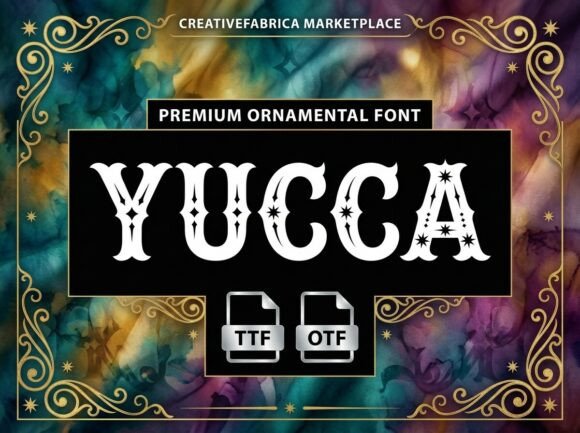
Understanding what Yucca is begins with its design DNA. The typeface is characterized by its bold weight and highly flared serifs, a feature that gives it a commanding, stable stance on the page. These serifs are not merely structural; they are intricately detailed with starlight cutouts and geometric diamond motifs. This decorative treatment transforms each letterform into a small graphic element, evoking the handcrafted, ornamental style found in 19th-century circus posters and high-noon western signage. The overall effect is one of "wild-west-glamour"—a majestic presence that balances the roughness of the frontier with a deliberate, almost theatrical elegance.
Evaluating the Fit: Is Yucca Right for Your Project?
The decision to use a typeface like Yucca hinges on specific project goals and audience expectations. It is a strong contender when the design narrative aligns with heritage, craftsmanship, and a bold, independent spirit. For instance, in the branding for an independent distillery, Yucca can visually communicate authenticity, tradition, and a handcrafted quality. The ornamental details mirror the care often associated with small-batch production, while the western aesthetic ties the brand to a sense of place and history.
Similarly, for boutique rodeo branding or artisanal leatherwork packaging, Yucca serves as a direct visual shorthand. The font’s inherent style reduces the need for additional decorative elements, as the letterforms themselves carry the thematic weight. It can establish an immediate connection with an audience that values authenticity and a rugged, yet refined, aesthetic. In the digital space, such as for vibrant western-revival social media headers, Yucca’s high-impact design ensures it stands out in a crowded feed, quickly communicating a brand’s core identity.
Key Benefits and Practical Considerations
The primary benefit of Yucca is its potent ability to convey a specific, strong theme instantly. Its decorative nature means it can carry a design, reducing reliance on complex illustrations or layouts to establish a mood. This can streamline the design process for the right project. However, this strength is also the source of its main tradeoff. The very details that make it distinctive—the cutouts and motifs—can become a liability at small sizes or in long blocks of text. Legibility can decrease, and the intricate details may become muddy or lost.
Therefore, a key consideration is context. Yucca is best suited for display purposes: headlines, logos, short labels, and impactful banners. It is not designed for body copy or any application where sustained reading is required. Designers should also consider the pairing. Yucca’s strong personality demands a complementary typeface for supporting text—typically a clean, neutral sans-serif or a simple serif—that provides a visual rest and ensures overall readability.
Situations Where Yucca Excels
Yucca is a strong fit for projects within specific industries and aesthetic goals. Consider it for:
- Brand Identity Systems: For brands in the spirits, artisanal food, or heritage goods sectors, Yucca can serve as the cornerstone of a logo or headline type system.
- Event Branding: Rodeos, western-themed festivals, vintage markets, or themed restaurant menus benefit from its immediate thematic association.
- Packaging Design: Particularly for products where the label itself is a key part of the appeal, such as craft beverages, hot sauces, or leather goods.
- Poster and Signage Design: Any large-format application where the goal is to capture attention and evoke a specific era or style.
In these contexts, Yucca functions effectively as a visual anchor, setting the tone and attracting the intended audience.
When to Consider Alternatives
Despite its strengths, Yucca is not a universal solution. Alternatives should be evaluated in the following scenarios:
- Projects Requiring Neutral Typography: If the goal is to present information without a strong stylistic voice, a versatile sans-serif or serif family like Helvetica, Garamond, or Open Sans is more appropriate.
- Long-Form Text Applications: For books, articles, or reports, a typeface optimized for readability at small sizes is essential. Yucca’s ornamentation would hinder comprehension.
- Modern or Minimalist Aesthetics: The ornate, historical character of Yucca clashes with clean, geometric, or minimalist design principles.
- Budget and Licensing Constraints: As a premium font, Yucca involves a financial investment. Free alternatives with a similar western or decorative style exist, though they may lack the same level of refinement or comprehensive character sets. The decision often involves weighing the value of the specific design against project budget.
Making a Practical Decision
To determine if Yucca aligns with your goals, ask a few practical questions. Does your project’s narrative explicitly involve the American West, vintage craftsmanship, or a bold, independent spirit? Is the primary application for large, short-form text like a headline or logo? Do you have a complementary typeface selected for body text?
If the answer is yes, Yucca is worth serious evaluation. Obtain a specimen sheet or license a trial version to test it within your actual design mockups. See how its details render at your intended output size and on your target medium—whether printed paper, a product label, or a digital screen. Compare it against other contenders in your shortlist, not just on aesthetic appeal, but on functional performance within your specific layout.
Ultimately, Yucca is a specialized instrument. Its value lies not in being a good font in a general sense, but in being the right font for a very particular job. When that job involves capturing the rugged elegance of the frontier with precision and style, it stands as a premier typographic choice.