Evaluating the Vegan Font: A Designer's Guide to Bold Stencil Typography
In the vast landscape of digital typography, choosing the right typeface is a critical decision that impacts brand perception and visual hierarchy. For designers seeking to make an immediate impact, Vegan presents itself as a bold, striking display stencil font. It is not merely a collection of letters but a design tool engineered for high visibility and modern aesthetics. This article provides a practical evaluation of the Vegan font, exploring its distinct characteristics, ideal use cases, and how it stands up against other typographic choices for adults navigating design, branding, and promotional projects.
Understanding the Core Identity of Vegan
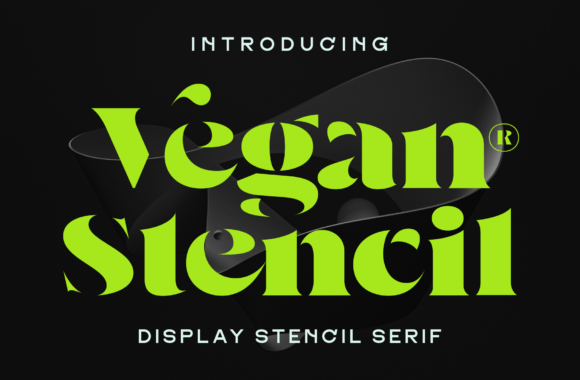
At its foundation, Vegan is defined by its stencil construction and clean, unadorned lines. Unlike ornate or handwritten display fonts, Vegan prioritizes clarity and structural integrity. Its design philosophy leans towards minimalism, but with a confident, edgy personality. The letterforms are typically geometric, with consistent stroke widths and deliberate breaks that characterize the stencil style. This isn't a font for body text; it's a headline-grabber, a visual exclamation point. Its aesthetic is straightforward yet impactful, avoiding unnecessary flourish in favor of direct visual communication.
The distinction of Vegan lies in its balance. It carries the industrial, utilitarian feel often associated with stencil fonts but refines it for contemporary digital and print applications. The "vegan" name itself suggests a connection to modern, conscious values, making it a natural fit for brands in the plant-based, wellness, or sustainability sectors. However, its application is far broader. Any project requiring a modern, bold statement—from tech startups to event posters—can leverage its distinct style. The font's strength is its ability to convey a message with authority without resorting to visual clutter.
Practical Applications: Where Vegan Excels
Identifying the right context for Vegan is key to utilizing it effectively. Its primary strength is in applications where immediate recognition and a strong visual tone are required. Consider these scenarios:
- Branding and Logos: Vegan can serve as the cornerstone of a brand identity, especially for companies wanting to project confidence, modernity, and a slightly unconventional edge. It works exceptionally well for logos that need to be scalable and recognizable at a glance.
- Poster and Headline Design: In editorial design, advertising, or event promotion, Vegan commands attention. Its stencil nature can create interesting negative space, making headlines dynamic and engaging. It's particularly effective for music festivals, art exhibitions, or product launches targeting a youthful, design-savvy audience.
- Digital Presence: For website hero sections, app interfaces, or social media graphics, Vegan provides a clear focal point. Its clean lines ensure legibility on screens, and its bold weight stands out against complex backgrounds or imagery.
- Packaging: On product packaging, especially for items on crowded shelves, Vegan's distinct silhouette can help a product stand out. It communicates a no-nonsense, quality-focused brand personality.
In each of these cases, Vegan acts as an accent font. It is rarely, if ever, the right choice for long paragraphs of text. Its role is to highlight, not to narrate. The practical benefit is efficiency; a single word or short phrase set in Vegan can establish the entire mood of a design piece.
Comparative Analysis: Vegan vs. Other Typographic Styles
To make an informed decision, it's helpful to compare Vegan not to specific named fonts, but to broader categories and styles a designer might consider.
Vegan vs. Traditional Serif Fonts
Traditional serif fonts (like those inspired by Times New Roman or Garamond) convey heritage, reliability, and formality. They are excellent for long-form reading and established institutions. Vegan operates on the opposite end of the spectrum. Where serifs suggest tradition, Vegan suggests innovation. A law firm might choose a serif for its logo, while a vegan food tech company would likely find Vegan more aligned with its forward-thinking identity. The tradeoff is clear: authority and readability for body text versus boldness and contemporary flair for headlines.
Vegan vs. Geometric Sans-Serifs
Geometric sans-serifs (like Futura or Avenir) are also modern and clean. They share Vegan's minimalist clarity. However, the stencil cut is the differentiator. The breaks in Vegan's letters introduce a rhythmic, fragmented quality that geometric sans-serifs lack. This can add a layer of visual interest and texture. A geometric sans-serif might be chosen for a sleek, corporate tech brand aiming for pure neutrality. Vegan, with its stencil character, would be selected when the brand wants to inject a bit of personality, edge, or artistic sensibility. It's a subtle but important distinction in brand voice.
Vegan vs. Other Display and Decorative Fonts
The display font category is vast, including everything from grunge scripts to retro 3D effects. Vegan's advantage here is its restraint. Many decorative fonts sacrifice legibility for style. Vegan maintains a high degree of legibility due to its clean lines, even with the stencil breaks. It makes a statement without becoming a visual puzzle. If a designer needs maximum artistic expression and uniqueness, they might explore highly decorative alternatives. If they need a bold statement that remains professional and functional, Vegan presents a more balanced, versatile option.
Decision Factors: Is Vegan the Right Choice for Your Project?
Choosing Vegan should be a deliberate decision based on project goals and audience. Ask these practical questions:
- What is the primary message? Is it innovation, boldness, modern consciousness, or industrial strength? If yes, Vegan is a strong candidate.
- Who is the audience? Vegan resonates strongly with adults aged 20-50 who appreciate modern design, particularly in urban, creative, or progressive circles. For an audience expecting classic formality, it may feel out of place.
- How will it be used? Will it be for a headline, logo, or accent? Its suitability drops significantly for body copy or small-scale text like legal disclaimers.
- What is the surrounding design? Vegan pairs well with simple, neutral sans-serifs for body text. It can clash with other strong decorative elements or overly busy backgrounds. The design must allow it space to breathe.
When to consider another option: If your project requires conveying a sense of history, tradition, or gentle elegance, Vegan is likely not the fit. For extensive reading material, a readable serif or sans-serif is mandatory. If your brand's core personality is soft, approachable, and whimsical, the bold, structured nature of Vegan might feel contradictory. In these cases, exploring alternatives in other categories—like humanist sans-serifs or transitional serifs—would be more prudent.
Conclusion: Making an Informed Typographic Choice
Vegan is more than just a stencil font; it's a specific tool for a specific job. Its value lies in its ability to deliver a clear, bold, and contemporary visual message with efficiency and style. It excels in the niche of impactful display typography for brands and designs that want to project confidence and modernity. By understanding its distinct characteristics, comparing it thoughtfully to other typographic families, and honestly assessing project requirements, designers and brand managers can determine if Vegan is the right voice for their visual story. Its strength is not in being everything to everyone, but in being the perfect choice for those moments that demand a striking, unmistakable statement.