The Groovy Revival: How Magic Flower Font is Capturing the Spirit of Modern Design
In the vast digital landscape of typography, where clean sans-serifs and minimalist serifs often dominate the conversation, a distinct aesthetic is making a powerful resurgence. It is a movement rooted in nostalgia, authenticity, and a desire to break away from the rigidity of corporate uniformity. At the forefront of this cultural shift is Magic Flower, a retro-inspired display font that transcends mere text to become a visual statement. For professionals, creators, and entrepreneurs, understanding the appeal of this typeface offers insight into the changing tides of consumer engagement and brand storytelling.
Understanding the Aesthetic of Magic Flower
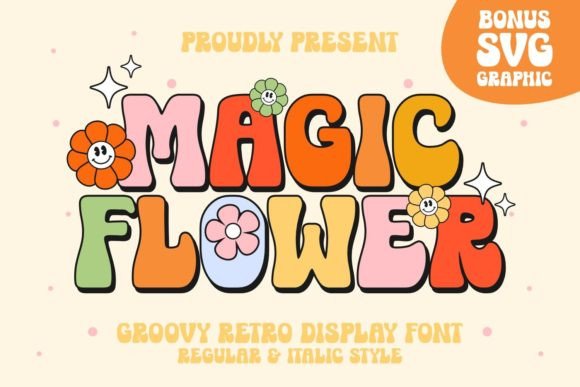
At its core, Magic Flower is a celebration of the "Flower Power" era and the psychedelic movement of the late 1960s and early 1970s. However, to define it merely as a "retro font" would be to undersell its utility in the modern era. The typeface is characterized by its whimsical letterforms, which appear to dance across the page. Unlike the mathematically perfect curves of Helvetica or the sharp precision of Futura, Magic Flower features uneven thick and thin strokes. This irregularity creates an organic and handcrafted feel, mimicking the imperfections of hand-painted signage or pen-on-paper illustration.
The font exudes a groovy vibe that is instantly recognizable, yet it remains versatile enough to be adapted for contemporary use. It is a display typeface, meaning it is designed to be used at larger sizes for headers, logos, and titles rather than body copy. Its visual texture adds depth to flat designs, providing a tactile quality that digital audiences crave. When a designer selects Magic Flower, they are not just choosing a way to display words; they are choosing a mood—one that is playful, carefree, and deeply expressive.
The Cultural Shift: Why Authenticity is Driving Design Trends
The popularity of Magic Flower is not an isolated phenomenon; it is a direct response to broader market trends. For the past decade, the digital world has been dominated by "Corporate Memphis" and stark minimalism. While these styles are functional and scalable, they have led to a sense of visual fatigue. Consumers and creators alike are experiencing a saturation of flat, vector-based illustrations and geometric fonts that lack personality.
This fatigue has sparked a counter-movement toward authenticity and imperfection. In an era where AI-generated content is becoming ubiquitous, the "human touch" has become a premium commodity. The uneven strokes of Magic Flower signal to the viewer that a human being was involved in the creative process. It evokes a sense of warmth and approachability that sterile, perfect fonts cannot replicate. For brands, this is a strategic advantage. By utilizing a typeface that feels handcrafted, businesses can bridge the emotional gap between the digital interface and the human user.
Relevance to Modern Workflows and Entrepreneurship
For entrepreneurs and freelancers, the changing landscape of consumer expectations requires a pivot in visual strategy. The modern consumer does not just buy a product; they buy into a lifestyle and a set of values. This is where the thematic resonance of Magic Flower becomes a valuable asset.
The Rise of the "Experience Economy"
We are firmly entrenched in the experience economy, where the atmosphere of a brand is as important as the utility of its product. Coffee shops, independent breweries, wellness retreats, and artisanal marketplaces are thriving because they offer an escape. Magic Flower fits perfectly into this narrative. Its psychedelic and carefree spirit helps establish an environment of relaxation and enjoyment. A menu designed with Magic Flower doesn't just list items; it invites the customer to unwind. A festival poster utilizing this font doesn't just announce a date; it promises a transcendent experience.
Differentiation in a Saturated Market
For freelancers and marketing professionals, standing out is the primary objective. In a crowded inbox or a swamped social media feed, a standard Arial header is easily scrolled past. However, the groovy, high-contrast nature of Magic Flower demands attention. It serves as a pattern interrupt. Because it breaks the visual monotony of standard web typography, it can significantly increase engagement rates. Marketers are paying attention to this because it solves a critical problem: how to capture the fleeting attention span of the modern digital user.
Practical Applications and Creative Examples
The versatility of Magic Flower lies in its ability to blend with various design philosophies. While it is rooted in the past, its application is forward-looking. Here are several practical ways creators and businesses are leveraging this typeface:
- Brand Identity and Logos: For brands in the lifestyle, fashion, or wellness sectors, Magic Flower offers a distinct voice. It suggests that the brand is approachable, creative, and non-corporate. It is particularly effective for businesses targeting Gen Z and Millennial demographics, who have shown a strong affinity for Y2K and 70s aesthetics.
- Merchandise and Packaging: The handcrafted feel of the font translates exceptionally well to physical products. T-shirt designers, tote bag creators, and sticker makers use Magic Flower to create graphics that feel like vintage finds. On packaging, particularly for organic, vegan, or artisanal goods, the font reinforces the narrative of natural, hand-made quality.
- Digital Content and Social Media: Content creators on platforms like Instagram and TikTok use Magic Flower for thumbnails and cover images. The font’s bold personality helps content stand out in grid layouts. It is often paired with grainy textures and warm color palettes to create a cohesive, retro-filtered aesthetic that resonates with current visual trends.
- Event Branding: From music festivals to pop-up markets, event planners utilize this font to set the tone immediately. It communicates fun and inclusivity, making it ideal for community-focused gatherings.
The Psychology of "Groovy": Connecting Emotion to Typography
Typography is psychology made visible. Every font carries an emotional weight that influences how a message is received. Magic Flower taps into the psychology of nostalgia—a powerful tool in marketing. Nostalgia creates a sense of comfort and safety. By evoking the styles of the past, brands can borrow the positive associations of those eras: peace, love, creativity, and freedom.
Furthermore, the playful nature of the font lowers the psychological barrier to entry. Formal serif fonts can sometimes feel intimidating or authoritative, creating a distance between the brand and the consumer. Magic Flower, with its whimsical curves and uneven baselines, feels like a friend. It signals that the brand does not take itself too seriously, which is a refreshing trait in a high-stress world. This aligns with the broader cultural shift toward mental well-being and "slow living," where consumers seek out brands that offer a respite from the hustle culture.
Integrating Magic Flower into Professional Workflows
For design professionals and agencies, incorporating a font like Magic Flower requires a nuanced approach. It is a tool that, when used correctly, can elevate a project from mundane to memorable. However, its distinct style means it must be paired thoughtfully.
To maintain professionalism while utilizing this groovy typeface, designers often pair it with clean, neutral sans-serifs. This contrast allows the headers to capture the playful spirit without sacrificing the legibility of the body text. Additionally, the font works exceptionally well with the current trend of mixed-media collage, where digital typography is overlaid on scanned textures, vintage photography, or hand-drawn illustrations. This workflow embraces the hybrid nature of modern design—blending digital precision with analog warmth.
Conclusion: The Enduring Appeal of Organic Design
As we look at the trajectory of design and technology, one thing becomes clear: the human element is irreplaceable. While algorithms can generate perfect geometry, they struggle to replicate the soulful imperfection of a hand-drawn letter. Magic Flower represents more than just a font; it represents a desire for connection, authenticity, and joy.
For the professionals, creators, and entrepreneurs reading this, the lesson is not simply to adopt a retro font, but to understand the why behind its resurgence. It is about meeting your audience where they are emotionally. In a world that can often feel cold and digital, offering a little bit of flower power and organic warmth is a powerful business strategy. Magic Flower provides the visual language to do exactly that, allowing you to craft messages that are not only seen but felt.