Cartoon Craze: Evaluating a Retro-Groovy Display Font for Modern Design Projects
When searching for a typeface that injects immediate personality, energy, and a sense of nostalgia into a design, display fonts are the primary category to explore. Among the myriad options available, Cartoon Craze presents itself as a distinct choice rooted in a specific aesthetic: the playful, hand-painted signage and vintage cartoon lettering of past decades. This article provides a practical evaluation of Cartoon Craze, examining its characteristics, ideal applications, and how it fits within the broader landscape of display typography.
Understanding the Core Characteristics of Cartoon Craze
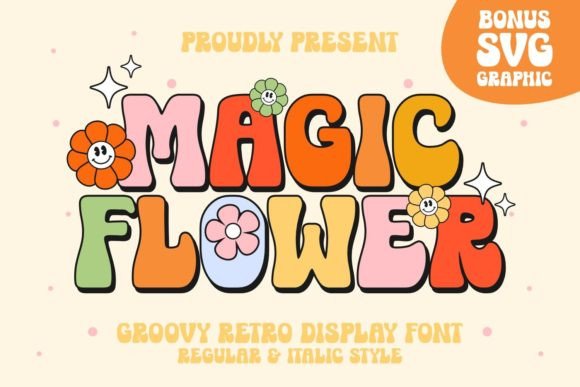
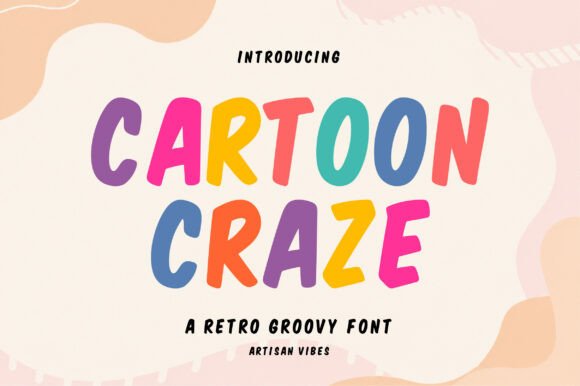
Cartoon Craze is not a subtle, workhorse font. It is a playful retro-groovy display font defined by several key visual traits. Its foundation is bold brush-style strokes, which give each letter a tactile, handcrafted quality, as if quickly painted with a confident, slightly imperfect brush. This is coupled with energetic curves—the letters often feature bouncy baselines, exaggerated swashes, and a sense of motion that avoids rigid, geometric structure. The overall cheerful personality is immediately apparent, making it a tool designed to evoke fun, creativity, and a nostalgic cartoon vibe.
Its design philosophy prioritizes visual impact and emotional resonance over neutral readability. The lively character and inherent style mean it functions best in contexts where the typeface itself becomes a central design element, rather than a passive vessel for text. This positions it firmly in the category of display typography, intended for headlines, titles, and short, impactful phrases rather than body copy.
Practical Applications: Where Cartoon Craze Shines
The effectiveness of any font is determined by its application. Cartoon Craze's strengths align with projects that require a nostalgic, energetic, and approachable tone. Its easy readability at larger sizes makes it suitable for a range of creative projects.
- Children's Media and Education: This is a natural home for Cartoon Craze. Its playful curves and bold presence are engaging for kids' projects, including book covers, educational posters, and activity sheets. The style feels familiar and inviting, aligning with the joyful aspects of childhood.
- Branding for Fun-Focused Services: For brands that want to project a whimsical, creative, or retro identity—think ice cream parlors, toy stores, craft breweries with a playful theme, or children's party planners—Cartoon Craze can be an excellent choice for logos and primary headings. It communicates a specific vibe instantly.
- Packaging and Product Design: On packaging, especially for food items, stickers, or craft supplies, the font can help a product stand out on a shelf. Its hand-painted quality suggests artisanship and care, which can be a powerful differentiator.
- Digital and Social Media Graphics: The font's inherent energy translates well to social media graphics, YouTube thumbnails, and event posters. It can capture attention quickly in a fast-scrolling environment, making it useful for announcements, sales, or content aimed at a younger adult demographic with a taste for nostalgia.
- Merchandise and Apparel: For t-shirts, tote bags, and stickers, a font like Cartoon Craze can serve as the core graphic element. Its style is often associated with vintage souvenir shop aesthetics or pop-art designs, appealing to consumers looking for expressive, casual apparel.
Comparative Analysis: Cartoon Craze in the Font Landscape
Making an informed choice requires understanding how Cartoon Craze compares to other stylistic approaches. It's helpful to think in terms of categories and tradeoffs.
vs. Classic Comic Book Fonts
Traditional comic book fonts (often derived from hand-lettering in mid-20th century comics) share a playful intent but differ in execution. These fonts are typically more uniform in stroke width and designed for sequential readability in speech bubbles. Cartoon Craze, with its brush-style strokes and more varied, groovy forms, is less about continuous reading and more about standalone typographic impact. If your project involves narrative text in panels, a classic comic font may be more functional. For a single, powerful title, Cartoon Craze often has more visual flair.
vs. Clean, Modern "Handwritten" Fonts
A vast category of fonts mimics casual handwriting with a digital pen. These are usually more legible at smaller sizes and have a more contemporary, personal, or minimalist feel. They lack the specific retro-groovy energy and painted texture of Cartoon Craze. The choice here is about era and attitude. A clean handwritten font suits a modern blog or a casual brand; Cartoon Craze suits a project that explicitly wants to channel 1970s cartoons or vintage signage.
vs. Other Retro and Groovy Display Fonts
This is the closest comparison category. Numerous fonts evoke the psychedelic, disco, or early computer eras. What can help Cartoon Craze stand out is its specific blend of brush strokes and cartoonish curves. Some retro fonts are more geometric (think disco-era Futura variations) or more psychedelic (with extreme distortions). Cartoon Craze sits at an intersection that feels handmade and friendly, rather than purely stylized or abstract. When evaluating alternatives, it's crucial to test specific words and phrases you plan to use, as the ligatures and character interactions in display fonts can vary dramatically.
Decision Factors: When to Choose Cartoon Craze (and When to Reconsider)
Choosing Cartoon Craze is a decision about embracing a specific aesthetic. Here are key considerations:
- Choose Cartoon Craze when:
- Your project's primary goal is to evoke fun, nostalgia, and energy.
- The text will be used in large, headline sizes where its details can be appreciated.
- You want a font with a strong, recognizable personality that does heavy lifting in setting the tone.
- The design context is informal, playful, or aimed at a youthful audience (including the young at heart).
- Consider other options when:
- You need a font for long paragraphs or small print. Its complexity can reduce readability at small sizes.
- The project requires a neutral, corporate, or highly sophisticated tone. Cartoon Craze's personality would conflict with this.
- You are designing for maximum accessibility across all user groups. Simpler, more conventional sans-serifs or serifs generally have higher baseline readability.
- The design already contains many competing visual elements. Adding a highly expressive font can create visual clutter rather than focus.
Practical Tips for Implementation
If you decide Cartoon Craze is the right fit, using it effectively is key to a professional result.
- Pair it Thoughtfully: Because it is so expressive, pair it with a simple, clean sans-serif for any supporting text (like body copy, subtitles, or captions). This creates contrast and hierarchy, letting Cartoon Craze command attention without overwhelming the entire design.
- Use Ample Spacing: Give its letters room to breathe. Generous tracking (letter-spacing) and leading (line-spacing) can enhance its readability and prevent the energetic forms from colliding.
- Color and Texture: It works beautifully with solid, vibrant colors or on textured backgrounds that complement its hand-painted aesthetic. Consider how it interacts with your color palette—it can handle bold hues.
- Test Extensively: Always proof your specific text in the intended size and context. Display fonts can have surprising kerning pairs or alternate characters that affect the final look.
In the end, Cartoon Craze is a specialized tool in a designer's kit. It is not a universal solution, but for the right project, it offers a powerful, joyful, and distinctly retro-groovy voice that is difficult to replicate with more neutral typefaces. Its value lies in its ability to instantly communicate a specific feeling and era, making it a compelling option for anyone looking to inject a dose of vintage cartoon energy into their creative work. The most informed decision will come from aligning its distinct character with your project's core message and audience expectations.