The Artistic and Commercial Potential of the Spring Sakura Font
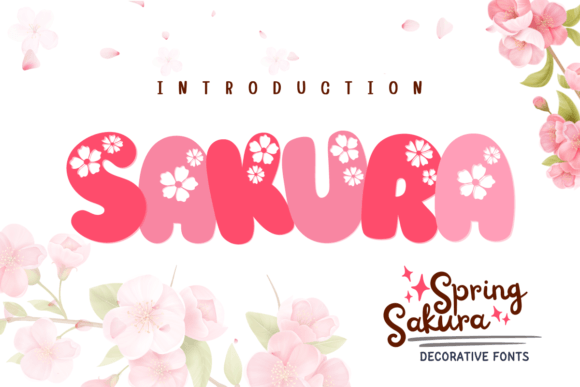
In the vast digital landscape of typography, few designs capture a specific moment in time as effectively as the Spring Sakura font. At first glance, it presents itself as a bold, round typeface with thick, confident letters. This structural foundation ensures high legibility and a friendly, approachable tone. However, the true magic of Spring Sakura lies within the negative space of its characters. Inside each letter, intricate cherry blossom sakura flowers are integrated, transforming standard text into a piece of thematic art. This design choice does more than just decorate; it creates a specific emotional resonance that feels soft, cheerful, and deeply connected to the renewal associated with the springtime season.
Deconstructing the Aesthetic: Boldness Meets Nature
To understand the utility of Spring Sakura, one must first analyze its visual composition. The font utilizes a "fat" or "rounded" aesthetic, which is psychologically associated with safety and friendliness. By avoiding sharp serifs and aggressive angles, the typography invites the viewer to engage without feeling intimidated. This makes it an excellent choice for contexts where the goal is to lower the viewer's guard and create a welcoming atmosphere.
The integration of the sakura motif is where the design becomes complex. Unlike standard display fonts that rely solely on the shape of the letterform, Spring Sakura treats the interior of the glyph as a canvas. The cherry blossoms are not merely pasted on top; they are woven into the fill of the text. This requires careful rendering to ensure that the flowers do not obstruct legibility. When used at appropriate sizes—typically larger headlines or logos—the flowers become distinct, offering a texture that breaks the monotony of solid color blocks. This visual complexity allows the font to carry the thematic weight of a design on its own, reducing the need for excessive background imagery.
Strategic Applications for Branding and Marketing
For business owners and marketing professionals, the choice of typography is a silent ambassador for the brand's values. Spring Sakura occupies a specific niche that aligns perfectly with industries centered around beauty, wellness, nature, and seasonal celebration. Its cheerful disposition makes it particularly effective for campaigns that aim to evoke positivity and renewal.
Event Promotion and Seasonal Campaigns
Consider the logistics of promoting a spring festival, a cherry blossom viewing event, or a seasonal menu launch. The visual language of these events requires immediate recognition of the season. Using Spring Sakura in headers, posters, and digital ads instantly telegraphs "spring" without requiring a paragraph of explanation. For a Japanese restaurant promoting a limited-time sakura-themed menu, this font serves as a visual appetizer, setting the tone for the culinary experience before the customer even walks through the door.
Product Packaging and Label Design
In the consumer goods sector, packaging must stand out on a crowded shelf. Spring Sakura is particularly potent for products like floral teas, artisanal cosmetics, or bath bombs. The boldness of the lettering ensures the product name is readable from a distance, while the floral interior suggests the ingredients or the sensory experience of the product. It bridges the gap between "natural" and "commercial," assuring the consumer that the product is both professionally produced and rooted in nature.
Creative Workflows: Integrating the Font into Design Systems
For graphic designers and hobbyists, incorporating a highly stylized font like Spring Sakura into a cohesive design system requires a thoughtful approach to balance. Because the font is visually "busy" due to the internal flower patterns, it competes for attention. Therefore, it functions best as a display typeface—used for H1 headers, logos, or short call-to-action phrases—rather than for body text.
- Color Harmony: The font pairs exceptionally well with pastel color palettes. Soft pinks, sage greens, and sky blues complement the cherry blossom motif. However, for a modern twist, designers often place Spring Sakura in a stark white or black background to let the intricate details pop.
- Pairing with Sans-Serifs: To maintain readability in the content following a headline written in Spring Sakura, designers should pair it with a clean, neutral sans-serif font. This contrast allows the decorative font to shine without overwhelming the reader’s eyes during the reading process.
- Background Simplicity: When using this font, background imagery should be simplified. A busy photograph behind a patterned font creates visual noise. Solid color fields or very blurred, low-opacity imagery work best to frame the bold letters.
Educational and Cultural Contexts
Beyond commercial use, Spring Sakura holds value in educational materials and cultural presentations. Educators creating materials about Japanese culture, the concept of "Hanami" (flower viewing), or the botanical lifecycle of cherry trees can use this font to create an immersive learning environment. The font acts as a visual cue that primes the student or reader for the subject matter.
Furthermore, in the realm of digital scrapbooking and personal journaling, the font allows creators to document their spring travels or memories with a typeface that matches the aesthetic of the season. It transforms a simple photo album caption into a cohesive narrative element, reinforcing the mood of the memories being preserved.
Technical Considerations and Scalability
While the artistic merits of Spring Sakura are clear, technical implementation is crucial for a successful deployment. Because of the intricate details inside the letters, this font does not scale down well to small sizes, such as 10-point or 12-point body text. At small sizes, the cherry blossoms tend to blur together, turning the text into a muddy, illegible shape.
Therefore, best practices dictate using Spring Sakura at sizes above 24 points. This ensures that the "bold, round" nature of the font is retained and the "beautiful cherry blossom sakura flowers" remain distinct. Additionally, when using this font for web design, file size optimization is a consideration. Decorative fonts can be heavier than standard system fonts. Designers should ensure that the font files are optimized for web performance to prevent slow page loading times, which could negatively impact user experience and SEO rankings.
The Psychological Impact of Thematic Typography
Typography influences psychology. The round shapes of Spring Sakura reduce cognitive load and aggression, while the floral elements trigger associations with nature, growth, and fleeting beauty. For a researcher or professional in marketing psychology, this font offers a case study in "emotional design."
When a user sees Spring Sakura, they are not just reading a word; they are processing a mood. This is particularly relevant for businesses in the wellness sector—yoga studios, spas, and meditation apps. The font communicates a promise of relaxation and rejuvenation. It suggests that the content or product being offered is gentle and nurturing, aligning the visual presentation with the service provided.
Conclusion: A Versatile Tool for Visual Storytelling
Ultimately, Spring Sakura is more than just a collection of letters with flowers inside. It is a strategic design tool that communicates seasonality, culture, and emotional warmth. Whether used by a business owner to brand a seasonal product, a designer to create a celebratory invitation, or an educator to teach about botany and culture, the font provides a unique visual language. By understanding its strengths—its bold legibility and thematic richness—and managing its limitations through proper sizing and pairing, creators can leverage Spring Sakura to produce content that is not only beautiful but also deeply resonant with its intended audience.