The Allure of Monoline Handwriting: Avoiding Common Pitfalls for Flawless Results
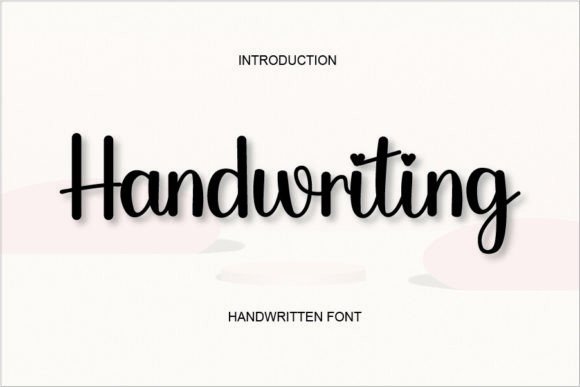
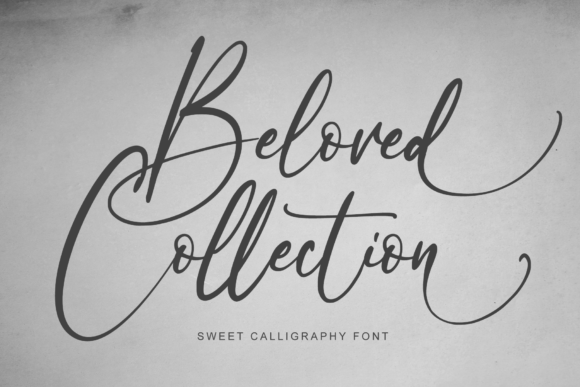
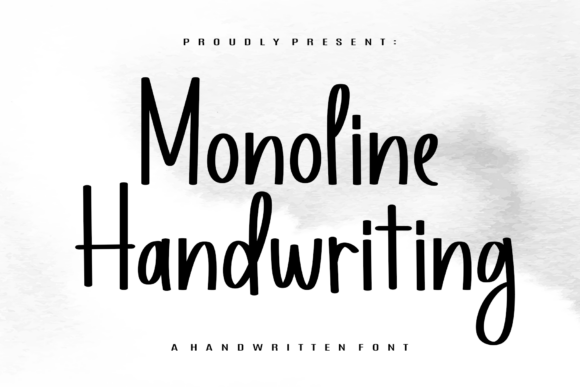
There is an undeniable charm to handwritten text. It feels personal, authentic, and human. In the digital world, where crisp, geometric sans-serifs often dominate, a font that captures the warmth and fluidity of a human hand can be a game-changer. This is the appeal of Monoline Handwriting. Characterized by its consistent line weight and graceful flow, it offers a clean, legible, and stylish alternative to more ornate script fonts. It promises to lend a personal touch to everything from branding and social media graphics to wedding invitations and personal projects. But to unlock its true potential, you need to look beyond its initial charm. Choosing and using a monoline font effectively requires a thoughtful approach to avoid common missteps that can undermine its elegance and purpose.
Understanding the Monoline Difference
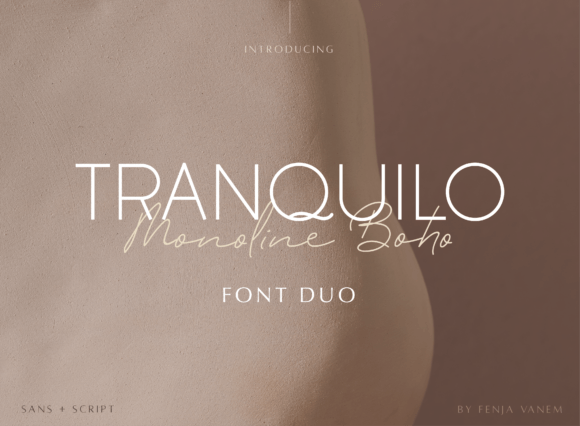
Before diving into application, it’s crucial to understand what sets monoline fonts apart. The term "monoline" refers to the uniform thickness of the stroke. Unlike traditional calligraphy fonts that mimic the pressure variation of a nib or brush pen, monoline fonts maintain an even width from start to finish. This characteristic is the source of their greatest strengths and, if misunderstood, their potential weaknesses.
The primary benefits are clear:
- Exceptional Legibility: The consistent line weight makes letters easy to distinguish, even at smaller sizes or in dense blocks of text. This is a significant advantage over many flowing script fonts that can become a tangled mess when used for anything more than a headline.
- Modern Simplicity: It captures a handwritten feel without the "dripping ink" or "rustic brush" aesthetic. This gives it a contemporary, clean, and often more professional look.
- Harmonious Flow: Well-designed monoline fonts, like the one we are discussing, are crafted with careful attention to kerning (spacing between letters) and ligatures (special character combinations), ensuring the script flows naturally and avoids awkward collisions.
People are drawn to Monoline Handwriting for its versatility. A freelancer might use it to add a personal signature to their invoices, a small business owner for their logo, and a blogger for stylized pull-quotes. However, this versatility is where the first major misunderstanding often occurs.
Mistake #1: Assuming It's a One-Size-Fits-All Solution
The most common error is treating Monoline Handwriting as a universal replacement for your primary body text. While it’s legible for a script, it is not a substitute for a dedicated body typeface like a sans-serif or serif font. Using it for long paragraphs of text will create visual fatigue for your reader and can appear unprofessional.
The Consequence: Poor readability, a cluttered presentation, and a message that gets lost in the style. Your audience may struggle to absorb the information, defeating the purpose of clear communication.
The Better Approach: Think of Monoline Handwriting as a special accent, not the main ingredient. Use it strategically to add personality and draw attention. Ideal applications include:
- Headlines and Titles: To create an inviting and personal entry point.
- Call-to-Action Buttons: A handwritten "Learn More" or "Shop Now" can feel more engaging.
- Logos and Brand Names: Perfect for brands that want to convey a friendly, artisanal, or approachable identity.
- Short Quotes or Social Media Captions: To highlight key messages and add a touch of elegance.
- Greeting Cards and Invitations: Where a personal touch is paramount.
For example, a wedding invitation suite might use Monoline Handwriting for the couple's names and the header, but pair it with a classic, light serif font for the event details, dates, and RSVP information. This creates a beautiful hierarchy that is both stylish and perfectly readable.
Mistake #2: Ignoring Font Licensing and Technical Details
In the excitement of finding the perfect font, many users—especially beginners and small business owners—overlook the crucial details of licensing. Downloading a font from a dubious "free fonts" website can lead to serious issues down the line.
The Consequence: You could be using a font illegally for commercial purposes, exposing yourself to legal risk. Furthermore, free fonts often lack essential features, have poor kerning, or are incomplete, leading to frustrating technical problems and a final product that looks amateurish.
The Better Approach: Always source your fonts from reputable foundries or marketplaces. When evaluating Monoline Handwriting, or any font, check the following before you commit:
- License Type: Is it for personal use only, or does it include a commercial license? If you plan to use it for a client project, on products for sale, or in marketing materials, you must have a commercial license.
- Font Formats: Ensure the package includes modern, web-ready formats like OTF (OpenType) and TTF (TrueType). For web use, look for WOFF and WOFF2 files, which are optimized for faster loading times.
- Character Set and Features: Does the font include all the numbers, punctuation, and symbols you need? High-quality fonts often include stylistic alternates (different versions of a letter), ligatures, and multilingual support. These features are what allow you to customize the text and avoid repetitive letterforms, making your text look truly handwritten.
Mistake #3: Poor Pairing and Hierarchy
A beautiful font can be completely undermined by poor typographic pairing. Placing Monoline Handwriting next to another highly stylized or decorative font creates visual chaos. Likewise, failing to establish a clear visual hierarchy makes your design confusing.
The Consequence: Your design looks cluttered, unbalanced, and unprofessional. The viewer doesn't know where to look first, and the intended message is diluted by competing styles.
The Better Approach: Embrace contrast and simplicity. The best partner for a fluid, expressive monoline font is often a clean, neutral, and stable typeface.
- Pair with a Sans-Serif: Fonts like Lato, Open Sans, Montserrat, or Poppins provide a clean, modern counterpoint. The monoline font handles the personal, expressive elements, while the sans-serif provides clear, functional information.
- Pair with a Simple Serif: A light, readable serif like Lora or Merriweather can create a more classic or elegant feel, perfect for editorial layouts or high-end branding.
- Establish Scale and Weight: Use size and color to create a clear hierarchy. Make your Monoline Handwriting headline significantly larger than the body text. Use a bold weight of your secondary font for sub-headings. This guides the reader's eye effortlessly through the content.
For a business card, for instance, a designer might use Monoline Handwriting for the owner's name and title, but set the contact details (phone, email, website) in a clean, all-caps sans-serif at a smaller size. This is both beautiful and highly functional.
Mistake #4: Overlooking Context and Audience
Finally, a font is a tool for communication, and its effectiveness is entirely dependent on context. A font that works perfectly for a yoga studio's Instagram story might be entirely inappropriate for a corporate law firm's annual report.
The Consequence: A mismatch in tone that confuses your audience or damages your credibility. Using a casual, handwritten font for a serious or highly technical subject can make your message seem flippant or untrustworthy.
The Better Approach: Always consider your audience and the message you want to convey. Ask yourself:
- Who am I trying to reach? A younger, creative audience might be more receptive to a playful monoline font than a conservative, older demographic.
- What is the medium? A font for a mobile app needs to be exceptionally clear, while one for a large-format poster can be more expressive.
- What is the desired tone? Is it friendly, luxurious, professional, whimsical? Ensure the font's personality aligns with your brand's voice.
Monoline Handwriting excels at conveying warmth, creativity, and a human touch. It is an outstanding choice for businesses in the lifestyle, wellness, food, and creative industries. For more formal applications, it should be used with extreme care, perhaps only for a subtle, elegant signature on a document rather than for prominent text.
By understanding its nature, respecting its limitations, and applying it with intention, you can harness the effortless style of Monoline Handwriting to elevate your projects. It’s not just about choosing a pretty font; it’s about making a smart, informed decision that enhances your communication and leaves a lasting, positive impression.