Handwriting: A Guide to Evaluating This Cursive Font
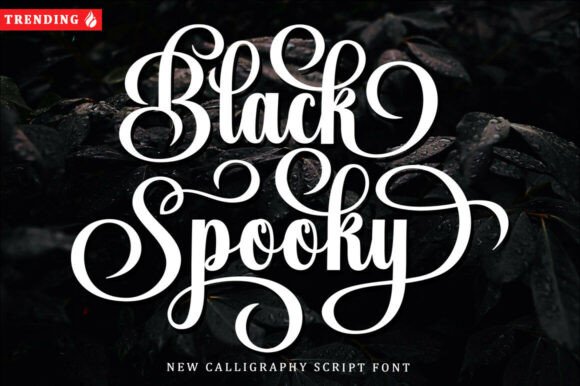
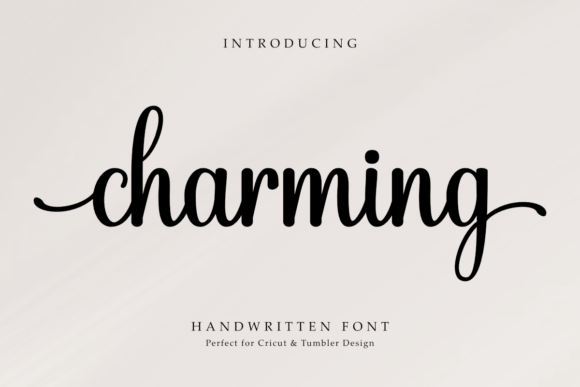
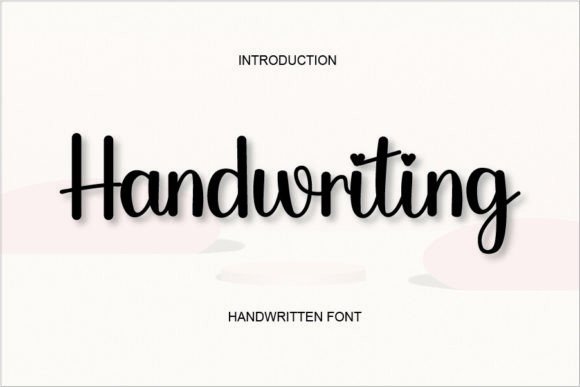
In the vast landscape of digital typography, selecting the right font is a critical decision that influences how a message is received. Among the myriad options available, the category of handwritten fonts offers a unique blend of personality and warmth. The font simply named Handwriting is a specific entry in this category, designed as a gorgeous, cursive, and thick-lettered script. It is crafted specifically to give headlines and logotype projects a stylish, distinctive touch, aiming to bridge the gap between digital precision and organic human expression.
For designers, brand strategists, and content creators, understanding the nuances of a typeface like Handwriting is essential before implementation. It is not merely a decorative choice; it is a communication tool that carries specific connotations. This article provides a balanced evaluation of the Handwriting font, exploring its characteristics, ideal use cases, potential trade-offs, and how to determine if it aligns with your specific project goals.
Understanding the Aesthetic of Handwriting
The defining characteristic of the Handwriting font is its visual weight and flow. Described as "thick-lettered," it deviates from the delicate, thin strokes often found in formal cursive scripts. Instead, it offers a robust presence on the page or screen. This thickness ensures that the font does not get lost in complex designs; rather, it stands out as a focal point.
The "cursive" nature of the typeface implies a connectivity between letters, mimicking the natural flow of pen on paper. However, because it is intended for headlines and logos, the legibility of individual characters is prioritized over strict adherence to calligraphic rules. The result is a font that reads as strong, confident, and dynamic. It avoids the sloppiness that can sometimes plague handwritten styles, offering a polished interpretation of casual writing.
The Role of Nostalgia in Design
One of the most significant attributes of the Handwriting font is its ability to evoke nostalgia. In design psychology, typography that mimics human touch often triggers emotional responses related to the past, authenticity, and personal connection. By utilizing this font, designers can add "tons of nostalgic character" to their work. This is particularly valuable in an era dominated by geometric sans-serifs and sterile user interfaces. Handwriting serves as a counterpoint to modern minimalism, offering a sense of history and warmth that can make a brand feel more grounded and relatable.
Evaluating the Benefits: Why Choose Handwriting?
When researching fonts, it is helpful to weigh the specific advantages against your project requirements. The Handwriting font offers several distinct benefits:
- Visual Impact: Because of its thick construction, the font commands attention. It is well-suited for environments where the headline needs to carry the weight of the design without the need for supporting imagery.
- Brand Personality: If a brand identity aims to be perceived as bold, artistic, or approachable, Handwriting aligns well with those values. It suggests confidence and creativity.
- Stylistic Versatility: While it is a script font, its boldness allows it to pair well with cleaner, simpler body fonts. It can act as a dynamic contrast to a standard sans-serif or serif used for body copy.
- Nostalgic Appeal: For projects targeting audiences who appreciate vintage aesthetics, artisanal products, or personal storytelling, this font provides an immediate visual cue for those themes.
Trade-offs and Considerations
No typeface is universally perfect, and an objective evaluation requires looking at the limitations of a cursive, thick font like Handwriting. There are specific trade-offs to consider before committing to this typeface.
Legibility at Scale
The primary consideration is legibility. While Handwriting is designed for headlines, cursive fonts generally require more cognitive effort to read than print fonts. If the headline is long or complex, the "thick" and flowing nature of the letters might slow down reading speed. It is crucial to test the font at the intended size to ensure the message is communicated instantly. If the viewer has to decipher the letters, the design has failed in its primary function.
Contextual Appropriateness
The "dynamic" and "stylish" nature of the font may not suit every industry. For example, in sectors requiring strict authority, precision, and seriousness—such as legal services, heavy engineering, or medical technology—a handwritten font might undermine credibility. It could be perceived as too casual or informal. The nostalgic character of Handwriting is a strength in lifestyle and creative sectors but a potential liability in corporate or technical environments.
Digital Rendering
Thick, cursive fonts can sometimes present challenges on low-resolution screens. The curves and connections between letters may blur or appear heavy if not optimized correctly. When evaluating Handwriting, it is important to check how it renders across different devices, particularly mobile screens where space is limited.
Ideal Scenarios for Implementation
Determining if Handwriting is the right fit depends largely on the application. Based on its design attributes, it is a strong candidate for the following scenarios:
- Logo Design: The font’s primary design goal is logotype projects. Its bold strokes ensure that a logo remains visible even when scaled down, while the cursive style adds a unique, signature-like quality.
- Hero Sections and Banners: For websites or posters, using Handwriting for the main H1 tag can create an immediate emotional hook, drawing the user into the content with a human touch.
- Packaging and Merchandise: Products that aim for an artisanal, homemade, or boutique aesthetic benefit greatly from this style. It suggests that care and personal touch went into the product.
- Greeting Cards and Invitations: The nostalgic and stylish qualities make it a natural fit for stationery where a personal, yet polished, tone is desired.
When to Consider Alternatives
While Handwriting has many strengths, there are situations where an alternative approach is necessary. If your project requires high-density information, such as a magazine spread with multiple sub-headings, a heavy script font can become visually exhausting. In these cases, a semi-bold sans-serif might provide the necessary hierarchy without the visual fatigue.
Furthermore, if the target audience is not fluent in Latin scripts or is accustomed to highly standardized typography (such as in wayfinding systems or user interfaces), the stylistic flair of Handwriting could act as a barrier. In UI/UX design, clarity usually trumps style, meaning this font should be reserved for decorative elements rather than functional navigation.
Practical Decision-Making Insights
To make a final decision regarding the Handwriting font, consider the following checklist:
- Check the Character Set: Ensure the font includes all the glyphs and punctuation marks you need for your specific language and content.
- Test Pairing: Experiment with pairing Handwriting with a neutral body font. A common strategy is to use a clean sans-serif (like Helvetica or Roboto) for body text to balance the energy of the handwritten headline.
- Assess the Mood: Does the "confident and dynamic" mood of the font match the voice of your copy? If the text is serious or instructional, the font may create a cognitive dissonance.
- Evaluate Scalability: View the font in mockups for both large prints (banners) and small prints (business cards) to ensure the thickness does not clog up at small sizes.
Conclusion
The Handwriting font is a specialized tool designed to inject personality, confidence, and nostalgia into visual projects. It excels in headline and logo applications where a strong, human touch is desired. However, like all design choices, it requires careful evaluation. By considering the legibility requirements, the target audience, and the specific context of the project, you can determine if this cursive, thick-lettered typeface is the right asset to elevate your design. It is a choice that favors style and emotional resonance, best suited for projects that aim to stand out with a bold, personal voice.