Strategic Typography: Leveraging The Mariland Quite for Brand Authority
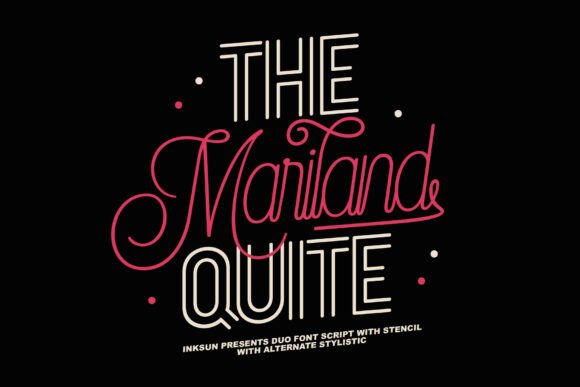
In the crowded landscape of modern design, typography is rarely just about legibility; it is a primary vehicle for strategy. When selecting a typeface, you are not merely choosing a style of lettering, you are defining the voice, tone, and structural integrity of your communication. For entrepreneurs, marketers, and creative professionals, the decision to use a specific font pairing like The Mariland Quite should be viewed through the lens of decision-making and long-term brand positioning. This unique duo—pairing a sophisticated, multi-line stencil display typeface with a fluid, monoline script—offers a distinct solution for those looking to balance architectural precision with human warmth.
The Anatomy of Strategic Duality
Understanding the utility of The Mariland Quite requires an appreciation for duality in design. The first component, the multi-line stencil display font, is inherently geometric and layered. It speaks to structure, engineering, and foundational stability. In branding terms, this establishes trust and authority. It suggests that your business or project is built on solid ground. However, structure alone can often feel cold or unapproachable.
This is where the second component—the fluid, monoline script—becomes vital. It introduces handcrafted warmth and elegance. By combining these two disparate elements, The Mariland Quite creates a visual tension that resolves into a sophisticated aesthetic. This pairing is not accidental; it is a strategic tool for high-concept branding where you need to communicate both competence (the stencil) and personality (the script). For a decision-maker, this font duo eliminates the need to hunt for two separate typefaces that might clash, offering a pre-balanced solution for complex visual identities.
Positioning and Context: When to Deploy The Mariland Quite
While The Mariland Quite is visually striking, it is not a universal solution for all communication channels. Strategic application requires knowing when the font’s inherent characteristics align with your goals. It is most effective in scenarios where "high-impact" matters more than "high-volume" reading.
Ideal Use Cases
- Editorial and Hero Sections: The architectural foundation of the stencil font makes it ideal for headlines in magazines, blog headers, or landing page hero sections. It commands attention immediately without relying on bold weight alone.
- Modern Signage and Environmental Design: For physical spaces, such as pop-up shops, event signage, or office interiors, The Mariland Quite bridges the gap between industrial design and artistry. The stencil lines interact well with light and shadow, while the script adds a welcoming touch.
- Packaging and Labeling: In industries like cosmetics, artisanal goods, or luxury beverages, the mix of structure and flair helps products stand out on the shelf. It suggests a product that is crafted with precision but designed for enjoyment.
- Brand Identity Systems: Using the stencil font for primary headers and the script for accents or sub-headers creates a cohesive visual hierarchy. This helps in organizing information logically while maintaining a distinct aesthetic.
Scenarios to Avoid
Conversely, relying on The Mariland Quite for long-form body copy would be a strategic error. The multi-line nature of the stencil display font, while beautiful, creates visual noise when used at small sizes or in dense paragraphs. It is optimized for display and impact, not for reading efficiency. Similarly, using the script font for critical data or legal disclaimers can lead to accessibility issues. Recognizing these boundaries is part of a thoughtful approach to design operations.
Planning Your Visual Hierarchy with The Mariland Quite
Effective typography is about managing the reader's eye movement. To use The Mariland Quite intentionally, you must map out a visual hierarchy that leverages the strengths of both the stencil and the script. This is less about aesthetic preference and more about user experience and communication flow.
Consider a scenario where you are designing a pitch deck or a website for a creative agency. You might use the stencil component of The Mariland Quite for section titles. The geometric, layered lines provide a clear "stop" signal, telling the reader that a new idea or section is beginning. This provides the architectural foundation necessary for skimming and navigation.
Then, you can deploy the fluid script for pull quotes, calls to action, or descriptive sub-lines. Because the script has elegant loops and alternate stylistics, it draws the eye in a softer, more inviting manner. This alternation between the hard stop of the stencil and the pull of the script creates a rhythm. It keeps the viewer engaged because the visual texture is constantly shifting, preventing monotony. This methodical application ensures that the font choice supports the goal of clear, persuasive communication rather than just decoration.
Decision-Making and Risk Assessment
Adopting a bold typeface system like The Mariland Quite comes with specific risks that must be managed. The primary risk is complexity. Because the stencil font involves multiple lines and geometric layering, it can easily overwhelm a design if not paired with ample negative space. A common mistake among creators is to crowd the stencil text, turning a sophisticated design element into a cluttered mess.
Furthermore, the "handcrafted warmth" of the script can be misinterpreted if the context is too corporate or rigid. For example, using The Mariland Quite for a serious financial institution might send mixed signals—implying creativity where stability is the primary requirement. The font works best when the brand strategy explicitly values a blend of innovation and tradition.
To mitigate these risks, consider the following operational guidelines:
- Test for Scalability: Before committing to The Mariland Quite for a full rebrand, test how the stencil font renders across different devices and sizes. Ensure the multi-line effect remains distinct on mobile screens.
- Check Contrast: Because the stencil font has "gaps" in the letterforms, color contrast is crucial. Light text on a light background will disappear. The font needs strong contrast to highlight its architectural geometry.
- Limit the Scope: Do not force the font into every element of your operation. Use it for high-visibility touchpoints (logos, headers, signage) and pair it with a neutral, highly legible sans-serif for body text to maintain readability and professionalism.
Long-Term Value and Brand Consistency
Typography is a long-term investment. Once customers associate a specific typeface with your brand, changing it can cause confusion. Therefore, the decision to use The Mariland Quite should be based on whether its aesthetic aligns with your long-term business trajectory.
If your business model relies on standing out as a leader in design, architecture, fashion, or creative services, the distinctiveness of The Mariland Quite can be a significant asset. It signals that you pay attention to details and appreciate the nuances of design—traits that clients in these sectors look for. The font becomes part of your intellectual property, a visual shorthand for the quality of your work.
However, consistency is key. The "alternate stylistics" mentioned in the font's description are tempting to use frequently, but overusing flourishes can dilute their impact. Strategic use of alternates should be reserved for moments where you want to add extra emphasis or delight, such as a special offer or a celebratory message. By rationing these stylistic touches, you ensure that when they do appear, they carry the weight of importance.
Conclusion: Typography as a Strategic Asset
Ultimately, The Mariland Quite is more than just a font; it is a design system that facilitates a specific kind of storytelling. It allows brands to be both structured and fluid, authoritative and approachable. For the modern professional—whether you are an educator designing course materials, a freelancer building a portfolio, or a small business owner crafting a storefront—this pairing offers a way to elevate your visual communication without sacrificing clarity.
By approaching The Mariland Quite with a clear plan, respecting its limitations, and applying it to the right contexts, you can transform typography from a background utility into a foreground strategy. It requires a thoughtful eye and a willingness to balance the architectural with the artistic, but the result is a brand presence that feels intentional, polished, and deeply human.