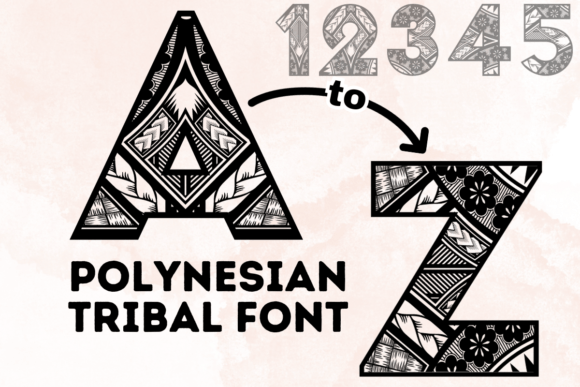
Polynesian Tribal Font: A Comprehensive Evaluation for Designers
Understanding the Essence of Polynesian Tribal Typography
The Polynesian Tribal font represents a specialized category of typeface that draws direct inspiration from the traditional art forms found across the Pacific Islands. This typeface is characterized by its bold, geometric structure and heavy weight, mimicking the aesthetic of woodcarving, stone etching, and traditional tattoo patterns. Unlike standard serif or sans-serif fonts designed for readability in body text, this font prioritizes visual impact and cultural resonance. It is a display typeface intended for headers, logos, and artistic compositions where the visual form of the letter is as important as the word it spells.
When evaluating this font, it is essential to understand its technical foundation. The Polynesian Tribal font is an OpenType SVG (Scalable Vector Graphics) font. This is a significant technical distinction that separates it from standard OpenType fonts. Standard fonts rely on vector paths filled with a single color, whereas SVG fonts support multiple colors, gradients, and textures within a single glyph. This technology allows the Polynesian Tribal font to retain the intricate, textured details of hand-carved art, offering a level of realism that traditional vector fonts cannot achieve.
Evaluating Technical Requirements and Compatibility
Before committing to the Polynesian Tribal font for a project, a thorough evaluation of your software environment is mandatory. Because it utilizes the OpenType SVG format, compatibility is not universal. This font is only supported by specific software that can interpret the embedded graphics within the font file.
Current compatible platforms include:
- Adobe Photoshop: Version CC 2017 and later.
- Adobe Illustrator: Version CC 2018 and later.
- Inkscape: Version 1.0 and later (open-source alternative).
- QuarkXPress: Version 2018 and later.
If your workflow relies on older versions of these programs, web-based design tools (like Canva), or standard word processors (like Microsoft Word), the font will likely fail to render correctly or appear as a blank box. For designers, this means that using Polynesian Tribal requires a commitment to modern, professional-grade software. It is not a "plug-and-play" asset for casual or mixed-environment workflows.
Aesthetic Benefits and Visual Tradeoffs
The primary benefit of using Polynesian Tribal is its ability to instantly evoke a specific atmosphere. The thick, solid letters carry a sense of weight, tradition, and strength. For projects related to adventure, outdoor activities, cultural events, or bold branding, this font provides an immediate visual shorthand that conveys ruggedness and heritage.
However, there are distinct tradeoffs to consider. The most significant is legibility. Because the letters are constructed from complex tribal patterns rather than simple strokes, reading long words or small text can be difficult. The font sacrifices readability for artistic expression. Therefore, it should rarely be used for body text or critical information delivery. It is best reserved for short, impactful headlines where the reader can absorb the visual style without struggling to decipher the characters.
Another consideration is file size. SVG fonts contain embedded bitmap or vector data for each glyph, making the font file significantly larger than standard fonts. This can impact load times on web projects (if supported) and slow down document rendering in software if used extensively.
Strategic Application: When to Choose Polynesian Tribal
Determining whether this font aligns with your goals requires assessing the nature of your project. The Polynesian Tribal font is a strong fit in specific scenarios where the design intent aligns with its unique capabilities.
Ideal Use Cases:
- Themed Event Branding: If you are designing invitations or posters for a luau, beach party, or surf competition, the font provides authentic thematic decoration.
- Logo Design: For businesses in the tattoo industry, outdoor adventure tourism, or surf shops, the font offers a distinct visual identity that stands out from generic corporate fonts.
- Apparel Graphics: T-shirt designs and merchandise often benefit from the "carved" look of this font, as it translates well to screen printing.
- Album Art or Book Covers: For fiction involving mythology, adventure, or island settings, this font sets the mood effectively on the cover.
Exploring Alternatives and Limitations
While Polynesian Tribal is visually striking, there are situations where alternatives may be worth considering. If your project requires high legibility at small sizes, or if you need a font that works across all operating systems and browsers without restriction, a standard display font is a better choice.
Furthermore, designers must be mindful of cultural context. The patterns in Polynesian art often carry deep spiritual and genealogical meanings. Using a "tribal style" font for a project that trivializes these cultures or is entirely unrelated to the Pacific region can be perceived as insensitive or appropriative. If the goal is simply to convey "boldness" or "strength" without the specific cultural connotations, consider geometric sans-serif fonts or block-style display fonts that offer weight without the cultural baggage.
If you require the visual texture of the Polynesian Tribal font but lack compatible software, a viable alternative is to use standard vector fonts and manually apply texture overlays or distress effects in your design software to mimic the carved look. This approach offers more flexibility and wider compatibility, though it requires more manual design work.
Practical Decision-Making Insights
To make a final decision on whether to integrate the Polynesian Tribal font into your toolkit, consider the following practical checklist:
- Software Verification: Do you have access to Adobe Photoshop CC 2017+, Illustrator CC 2018+, or Inkscape 1.0+? If not, do not purchase or download this font.
- Content Length: Is the text you are styling limited to one to three words? This font is unsuitable for paragraphs or even full sentences.
- Audience Alignment: Does your target audience appreciate or expect Pacific Island aesthetics? Ensure the visual style matches the product or message.
- Technical Delivery: How will the final design be delivered? If it is a static image (JPG/PNG) or print, the SVG format works perfectly. If it is for a website body text, it is technically unfeasible.
In summary, the Polynesian Tribal font is a high-impact, niche design asset. It excels in creating immersive, thematic visuals for specific industries and events. However, its technical restrictions and low legibility make it a tool for specialized use rather than general typography. By evaluating your software capabilities and design intent, you can determine if this bold, culturally inspired typeface is the right addition to your creative resources.