Fox Maria: An Evaluation of a Colorful SVG Font for Design Projects
In the world of digital design, typography is a fundamental element that can define the tone and impact of a project. While traditional fonts offer versatility in shape and weight, a newer category of typefaces, known as color fonts or SVG fonts, introduces color and texture directly into the letterforms. Fox Maria is a specific example of such a font, designed to be playful and charming. This article provides a balanced evaluation of Fox Maria, exploring its features, potential applications, and key considerations to help you determine if it aligns with your design goals.
Understanding the Core of Fox Maria
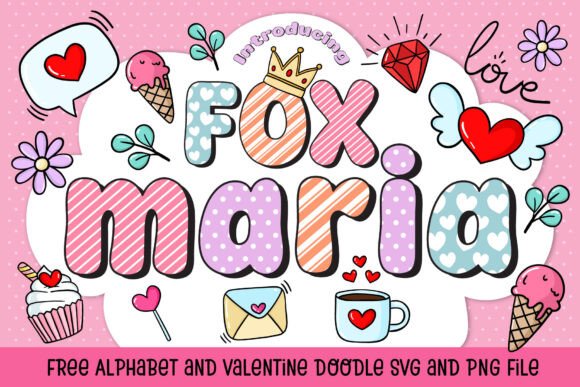
Fox Maria is a display font distinguished by its use of the OpenType-SVG format. Unlike standard fonts that are monochromatic, this format allows each character to contain detailed color information, patterns, and textures. This means a letter can appear with built-in heart patterns, diagonal stripes, or polka dots without requiring any additional design work from the user. The font package includes four distinct color variations, each with a unique personality:
- Fox Maria Blue: This variation presents a refreshing blue theme decorated with small heart patterns, lending itself well to cheerful or romantic aesthetics.
- Fox Maria Orange: Featuring a bright orange base with dynamic diagonal stripes, this style adds a sense of energy and warmth to text.
- Fox Maria Pink: A sweet pink design, also incorporating diagonal stripes, which is well-suited for creating fun and feminine visuals.
- Fox Maria Purple: This variant uses a soft purple color and is adorned with polka dots, creating an effect that is both elegant and whimsical.
Beyond the typeface itself, the package includes a set of 12 Valentine-themed doodles and the complete alphabet in SVG and PNG formats. This additional content offers designers supplementary graphic elements that can be used alongside the font to create cohesive, themed compositions.
Evaluating the Benefits and Potential Applications
The primary benefit of a font like Fox Maria is its ability to impart a strong, specific aesthetic with minimal effort. For projects where the goal is to create a playful, youthful, or celebratory mood, this font can be a significant time-saver. Instead of manually adding patterns or colors to text, the desired effect is applied instantly upon typing. This makes it a practical tool for designers working on tight deadlines or those who may not have advanced graphic design skills.
Several project types align particularly well with the characteristics of Fox Maria:
- Children's Materials: Designs for kids' parties, educational worksheets, or book covers can benefit from the font's lively and colorful appearance.
- Invitations and Greeting Cards: For events like birthday parties, Valentine's Day, or playful showers, the font provides an immediate festive tone.
- Playful Branding and Marketing: Small businesses or products targeting a younger demographic, such as bakeries, toy stores, or creative studios, might use this font for logos, social media graphics, or packaging to convey a sense of fun.
- Digital Content: Blog headers, YouTube thumbnails, or social media posts can stand out with the font's vibrant and eye-catching style.
The inclusion of supplementary doodles and alphabet files further enhances its value for comprehensive project design, allowing for consistent theming across multiple elements.
Key Considerations and Tradeoffs
While Fox Maria offers clear advantages for specific uses, it is important to understand its limitations and technical requirements before incorporating it into a workflow. The most critical consideration is its nature as an SVG font. This format has specific compatibility requirements that standard fonts do not.
First, installation is the same as any OpenType (.otf) font, typically managed through FontBook on macOS or the Control Panel on Windows. However, the colorful display of the font is dependent on software support for the SVG format. In programs that are not compatible, the font will render as a plain black, monochrome version, losing all its defining color and pattern features. Before purchasing, it is essential to verify that your primary design software, such as Adobe Photoshop, Illustrator, or Affinity Designer, supports color SVG fonts.
Second, the font's highly decorative style inherently limits its versatility. It is not suitable for body text, long-form reading, or contexts where legibility and neutrality are paramount. Its strength is in display use for headlines, titles, and short bursts of text. Overuse can quickly make a design feel cluttered or overwhelming.
Finally, the file size of SVG fonts is typically larger than that of standard fonts, which is a minor but noteworthy consideration for web use or in projects with many assets.
Determining if Fox Maria is the Right Choice
Deciding whether to use Fox Maria involves weighing your project's specific needs against the font's characteristics. It is a strong fit if your primary goal is to create a design with a playful, charming, or celebratory feel, and you are working in a software environment that fully supports SVG color fonts. The included variations and bonus assets make it particularly valuable for projects centered around themes of love, whimsy, or childhood joy.
Alternatives may be worth considering in several scenarios. If your project requires a more subtle or professional tone, a standard decorative or display font without embedded color might be more appropriate. For designs where you need precise control over individual letter colors or patterns, manually creating text in a vector program would offer greater flexibility. If software compatibility is a concern, you might seek out a traditional color font that uses a different technology, such as layered color fonts, which may have broader support, though they are less common.
Ultimately, Fox Maria is a specialized tool. It excels at delivering a specific, high-impact aesthetic quickly and effectively. Evaluating your project's audience, context, and technical environment will provide the clearest guidance on whether its playful charm is an asset to your work or a limitation. By understanding both its capabilities and its constraints, you can make an informed decision that enhances your creative output.