The Urban Edge: Understanding the Impact of Wild Hustle Graffiti Typography
In the dynamic world of graphic design, typography serves as the voice of a brand or project. While clean sans-serifs and traditional serifs provide stability, there is a growing demand for typefaces that convey energy, rebellion, and raw creativity. This is where the aesthetic of street art meets digital precision. The Wild Hustle Graffiti font exemplifies this intersection, offering a decorative style that captures the kinetic energy of urban culture. Understanding how to utilize such a distinct typeface is essential for designers looking to create impactful visual narratives.
Defining the Aesthetic: More Than Just Letters
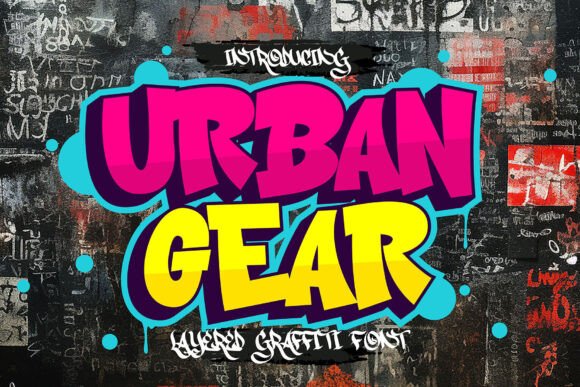
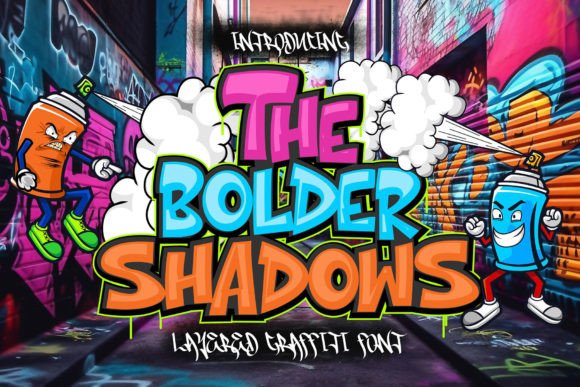
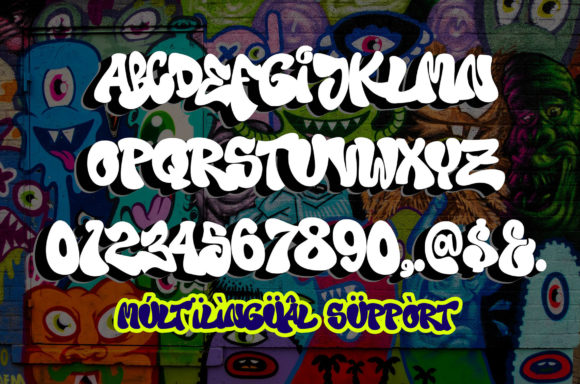
Graffiti typography is often misunderstood as chaotic or illegible. However, high-quality fonts in this category, such as Wild Hustle, are designed with specific artistic intentions. This style is characterized by fluid strokes, sharp angles, and a sense of movement that static fonts often lack. It is a spectacular decorative font that bridges the gap between raw street art and refined digital design.
The inclusion of stylistic alternates and swashes is a critical feature of this font style. These elements allow the letters to interlock or extend, creating a custom, hand-lettered look. For a designer, this means the text is not just a vessel for information but a central component of the illustration. The aesthetic leans heavily on the "wildstyle" tradition of graffiti, where letters are often interwoven and complex, requiring the viewer to engage actively with the text.
The Role of Swashes in Visual Flow
Swashes are the decorative extensions of a letterform. In the context of Wild Hustle Graffiti, these swashes are vital for creating a cohesive composition. Without them, individual letters might feel isolated. When applied correctly, they guide the viewer's eye across the page, mimicking the continuous motion of a spray can. This feature elevates the typography from simple text to a standalone illustration, making it ideal for designs where the typeface must carry the weight of the visual hierarchy.
Practical Applications Across Industries
The versatility of a font like Wild Hustle extends far beyond simple poster art. Its distinct personality makes it suitable for a wide array of professional and creative applications. The key to successful implementation lies in matching the font's energy with the project's goals.
Branding and Logotype Design
For brands targeting a younger, more culturally aware demographic, graffiti-inspired typography can be a powerful differentiator. A logotype using Wild Hustle Graffiti immediately signals a brand identity that is bold, unconventional, and confident. This is particularly relevant in the music industry, streetwear fashion, and extreme sports. However, brand strategists must consider legibility; while the font looks spectacular in headers, it may require pairing with a simpler typeface for body text to ensure the message is accessible.
Event Design and Invitations
Event planners and stationery designers often seek unique ways to set the mood for an occasion. While one might associate graffiti fonts with urban street parties, their application can be surprisingly versatile. For a modern, non-traditional wedding or a high-energy corporate launch event, Wild Hustle can be used on invitations and signage to create a sense of excitement and exclusivity. The font’s "awesome" appearance ensures that the invite stands out in a stack of mail, promising an event that breaks the mold.
Apparel and Wall Art
The apparel industry relies heavily on typography to convey attitude. T-shirts, hoodies, and caps often feature text as the primary design element. Wild Hustle Graffiti is naturally suited for this medium, as its bold strokes translate well to screen printing and embroidery. Similarly, in the realm of wall art and interior design, this font style can transform a blank wall into a focal point. It brings an industrial, street-level vibe to loft spaces, studios, and creative agencies.
Technical Considerations for Designers
While the aesthetic appeal of Wild Hustle is evident, successful implementation requires technical proficiency. Working with high-decorative fonts presents unique challenges that differ from working with standard web fonts.
Legibility vs. Style
The primary consideration when using a graffiti-style font is legibility. Because these fonts prioritize artistic expression, certain letterforms can be abstract. Designers must test the font at various sizes to ensure the text remains readable. Wild Hustle Graffiti is generally optimized for display use—headings, logos, and titles—rather than long-form body copy. Using it for short, impactful phrases maximizes its effectiveness without sacrificing readability.
Kerning and Spacing
Graffiti fonts often feature irregular baselines and varying letter widths. This can make default kerning (the spacing between letters) appear uneven. Designers using Wild Hustle should be prepared to manually adjust kerning, especially in logotypes. The goal is to achieve a balance where the letters feel connected and organic, yet distinct enough to be parsed by the viewer.
Color and Texture Integration
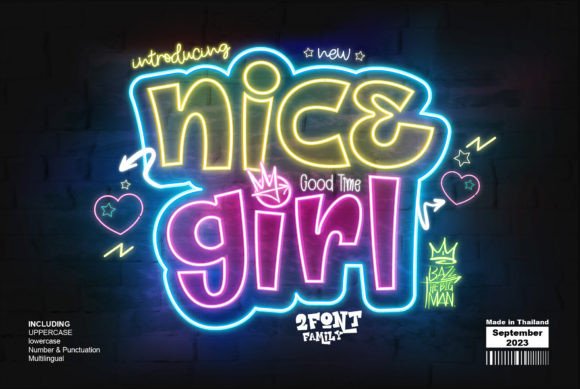
A font like Wild Hustle rarely looks its best in plain black on a plain white background. To truly leverage its potential, designers should integrate texture and color. Overlaying the text with concrete textures, metallic gradients, or spray-paint effects can enhance the realism of the design. This integration helps the typography feel like it belongs to the environment it is placed in, whether digital or print.
Strategic Implementation in Modern Workflows
For business owners and content creators, the decision to use a specific font style is a strategic one. It aligns the visual output with the brand’s narrative. Incorporating Wild Hustle Graffiti into a design workflow requires a thoughtful approach to ensure it supports rather than overshadows the content.
Pairing with Contrasting Fonts
One of the most effective ways to use a highly stylized font is to pair it with a neutral counterpart. A bold, chaotic typeface like Wild Hustle creates a striking contrast when placed next to a clean, geometric sans-serif. This hierarchy allows the decorative font to grab attention for the headline while the secondary font delivers the detailed information clearly. This technique is widely used in magazine layouts and web design hero sections.
Contextual Relevance
Context is king in design. While Wild Hustle Graffiti is spectacular, it is not universally appropriate. Using it for a corporate law firm or a pediatric clinic would likely send the wrong message. It thrives in contexts that celebrate creativity, hustle, and individuality. Educators and researchers might use this style for materials aimed at engaging students in creative writing or art history projects, but it would be unsuitable for formal academic papers.
The Cultural Significance of Graffiti Typography
Fonts do not exist in a vacuum; they carry cultural baggage and historical significance. Graffiti typography, and by extension fonts like Wild Hustle, traces its roots to the subcultures of the 1970s and 80s. It represents a form of expression that was originally outside the confines of traditional art institutions.
Today, this style has been codified and digitized, making it accessible to a global audience. By using Wild Hustle Graffiti, designers are tapping into a legacy of rebellion and artistic freedom. It appeals to the "hustle" mentality often celebrated in modern entrepreneurship—the idea of grinding, creating, and making an impact. This psychological resonance makes the font more than just a visual tool; it becomes a symbol of drive and ambition.
Optimizing for Digital Environments
In the age of digital media, typography must perform well on screens. Wild Hustle is designed to maintain its visual integrity across digital platforms. However, designers should be mindful of file sizes and rendering speeds when using decorative web fonts.
Social Media and Content Creation
For social media managers and content creators, visual distinctiveness is crucial for stopping the scroll. Wild Hustle Graffiti provides an immediate visual hook that can increase engagement. Whether used for Instagram stories, YouTube thumbnails, or TikTok overlays, the font adds a layer of professionalism and style. Its ability to "elevate" a design means that even simple graphics can look high-end and polished with the right typographic choice.
Responsive Design Challenges
When deploying Wild Hustle on websites, responsive design must be considered. A font that looks great on a desktop monitor may become illegible on a small mobile screen if the details are too fine. Designers should create specific breakpoints or size adjustments for mobile views, potentially simplifying the use of swashes on smaller devices to maintain a clean user interface.
Conclusion
The Wild Hustle Graffiti font represents a powerful tool in the modern designer's arsenal. Its ability to convey energy, style, and attitude makes it invaluable for branding, apparel, and digital content. By understanding its characteristics—from the importance of swashes to the necessity of proper kerning—creators can harness its full potential. Whether used for a wedding invitation that breaks tradition or a logotype that demands attention, Wild Hustle proves that typography is not just about reading words; it is about feeling them.