Sugarland Font: A Whimsical Typeface for Modern Branding and Design
In the vast landscape of digital typography, finding a font that perfectly balances nostalgia with contemporary appeal can feel like searching for a needle in a haystack. Many designers strive to create a visual language that feels both familiar and fresh, particularly when the target audience is families, children, or those with a penchant for the whimsical. Enter Sugarland, a captivating display typeface that transports viewers directly into a fairy-tale wonderland of design. Unlike standard serif or sans-serif options, Sugarland offers a distinct personality that is hard to ignore, making it a premier choice for creative professionals looking to make a lasting impression.
Understanding the Unique Anatomy of Sugarland
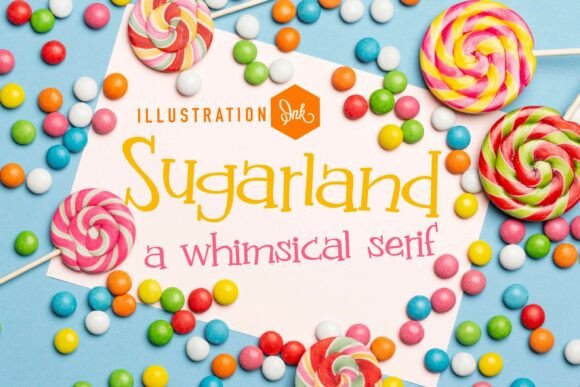
To truly appreciate the value of a typeface like Sugarland, one must look beyond the surface level of the letters. At its core, typography is about communication, but display typography—fonts used for headers, logos, and titles—is about emotion. Sugarland features tall, slender letterforms that immediately draw the eye upward, creating a sense of elegance and playfulness simultaneously. However, what truly sets this font apart is its rejection of rigid uniformity.
The design of Sugarland is characterized by several distinct features that define its "wonderland" aesthetic:
- Mismatched Line Weights: In traditional typography, consistency is key. Sugarland subverts this rule by varying the thickness of the strokes within a single letter. This creates a hand-drawn, organic feel that suggests a human touch rather than a machine's precision.
- Unexpected Curling Accents: The font includes decorative swirls and curls that add a layer of intricate detail. These accents catch the light and give the text a dynamic quality, as if the letters are dancing across the page.
- Off-Kilter Asymmetrical Serifs: Serifs are the small lines attached to the ends of strokes in a letter. While traditional serifs are symmetrical and grounding, Sugarland uses asymmetrical serifs that bridge the gap between nostalgic children’s storybook titles and modern indie product branding. This slight "off-kilter" nature adds charm and prevents the font from looking too stiff or formal.
The Role of Typography in Evoking Emotion
Why does a font like Sugarland matter in the broader context of design and psychology? The answer lies in emotional design. Every font carries a mood. A bold, sans-serif font like Helvetica suggests efficiency and modernity, while a gothic script might evoke history or darkness. Sugarland, with its light structural posture and wonderfully quirky personality, evokes feelings of joy, innocence, and creativity.
For a general reader or a budding designer, understanding this emotional connection is crucial. When a brand chooses Sugarland, they are not just choosing letters; they are choosing to project an image of warmth and approachability. This is particularly relevant in industries where trust and delight are the primary currencies. For example, a legal firm would likely avoid this font as it lacks the requisite gravitas, but a children’s library or a boutique bakery would find it to be the perfect voice for their visual identity.
Practical Applications: Where Sugarland Shines
The versatility of Sugarland lies in its ability to be the "main character" of a design without overwhelming the supporting cast. Because it is a display font, it is best utilized for headlines, logos, and short bursts of text where its unique details can be fully appreciated. Let’s explore specific scenarios where Sugarland is the premier choice for design projects.
1. Independent Toy Store Identities
Independent toy stores face a unique challenge: competing with massive big-box retailers. To succeed, they must cultivate an atmosphere of magic and exclusivity. Sugarland is perfectly suited for this environment. Imagine walking past a shop window and seeing the store’s name written in tall, curling letters. The font immediately signals that this is not a generic warehouse, but a place of wonder. It can be used for the storefront sign, shopping bags, and loyalty cards to create a cohesive brand experience that feels personal and magical.
2. Boutique Craft Confectionery Packaging
In the world of artisanal sweets, presentation is half the product. Whether it is a box of hand-painted chocolates or a jar of gourmet jam, the packaging tells the story of the craftsmanship inside. Sugarland’s mismatched line weights and curling accents mimic the swirls of frosting or the ribbons on a gift box. Using this font on packaging labels helps convey a sense of handmade luxury. It suggests to the consumer that the product inside was made with care, creativity, and a dash of fun.
3. Playful Clothing Tags and Labels
Fashion is an expression of personality, and for children’s clothing lines or indie fashion brands targeting a youthful demographic, the tag is a critical touchpoint. A standard, boring tag can cheapen the perception of the garment. Sugarland transforms a simple piece of cardboard into a brand statement. Its slender form fits well on narrow tags, and its whimsical nature reinforces the playfulness of the clothing. It turns the tag into a keepsake rather than trash.
4. High-Impact Social Media Headers
In the digital realm, attention spans are short, and the competition for eyes is fierce. Social media headers and graphics need to stop the scroll. Sugarland is an excellent tool for creating high-impact headers for blogs, Instagram stories, or Pinterest pins. Because the font has such a distinct personality, it can often stand alone as the primary visual element. A simple quote or announcement written in Sugarland, set against a clean background, creates a graphic that is instantly shareable and aesthetically pleasing.
Bridging Nostalgia and Modernity
One of the most fascinating aspects of Sugarland is how it manages to bridge two seemingly opposing worlds. On one hand, it recalls the storybooks of our childhood—think of the golden age of illustration where text and image were intertwined. On the other hand, it fits perfectly within the current "indie" aesthetic that values imperfection, authenticity, and a DIY ethos.
This bridge is essential for modern branding. Consumers today, particularly Millennials and Gen Z, are often drawn to brands that feel authentic and nostalgic. They crave the comfort of the past but demand the quality and relevance of the present. Sugarland satisfies this craving. It feels retro without being dated, and modern without being cold. It is the visual equivalent of a modern artisan market: curated, creative, and friendly.
Best Practices for Using Display Fonts
While Sugarland is a powerful tool, it must be used with care. Display fonts are like spices in a cooking recipe; a little goes a long way. If used incorrectly, they can clutter a design and make text unreadable. Here are some guidelines for anyone looking to incorporate Sugarland into their projects:
- Pair with a Neutral Companion: Because Sugarland is so expressive, it should be paired with a clean, simple font for body text. A standard sans-serif (like Open Sans or Roboto) works best. This creates a visual hierarchy where the headers pop, and the body text remains easy to read.
- Size Matters: Due to its tall, slender nature and intricate details, Sugarland does not render well at very small sizes. It is designed to be viewed large. Use it for headers, titles, and logos, but avoid using it for footnotes or long paragraphs.
- Give it Breathing Room: Whimsical designs need space to breathe. Ensure there is plenty of padding and white space around text set in Sugarland. This allows the viewer to appreciate the unique serifs and curls without feeling visually overwhelmed.
- Context is Key: Always consider the audience. While it is perfect for a toy store or a bakery, it might not be the right fit for a serious news outlet or a financial institution. Ensure the font aligns with the brand's voice and values.
The Importance of SEO and Visual Identity
For business owners and content creators, the connection between typography and SEO might not be immediately obvious, but it is significant. User experience (UX) is a ranking factor for search engines like Google. Part of user experience is how a website feels. A site that uses appropriate, high-quality typography like Sugarland for its branding elements creates a more professional and engaging environment.
When visitors land on a page that looks whimsical, inviting, and well-designed, they are more likely to stay longer, explore more pages, and share the content. This reduction in "bounce rate" and increase in "dwell time" sends positive signals to search engines. Furthermore, strong visual branding helps with brand recall. If a user remembers your distinct font and style, they are more likely to search for your brand directly in the future, which is a powerful driver of organic traffic.
Conclusion: Embracing the Quirky
In a world that often prioritizes efficiency and uniformity, Sugarland is a breath of fresh air. It reminds us that design can be fun, that imperfection can be beautiful, and that typography has the power to tell a story before a single word is read. Whether you are an independent toy maker looking to brand your shop, a baker designing the perfect label for your cookies, or a creative professional looking for a header font that stands out, Sugarland offers a solution that is both practical and poetic.
By embracing the quirky personality of Sugarland, you are not just choosing a font; you are choosing to step into a fairy-tale wonderland of design. You are choosing to make your work accessible, memorable, and undeniably charming. In the crowded marketplace of ideas and products, that touch of whimsy might just be the thing that sets you apart.