Hey Lovely Hearts: Integrating a Versatile Font Duo into Your Creative Workflow
In the world of design and content creation, the choice of typography is a foundational decision that influences the entire character and effectiveness of a project. A font is not merely a vessel for words; it is a critical component of visual communication, setting the tone, conveying emotion, and guiding the viewer's experience. For professionals and hobbyists alike, finding a typeface that is both versatile and distinctive can streamline the creative process. Hey Lovely Hearts emerges as a compelling solution, offering a dual-style font package that combines a clean sans serif with a fluid handwritten script. This combination provides a comprehensive toolkit for projects that require a balance of clarity and personality, warmth and professionalism.
Understanding the Font Duo: Structure and Application
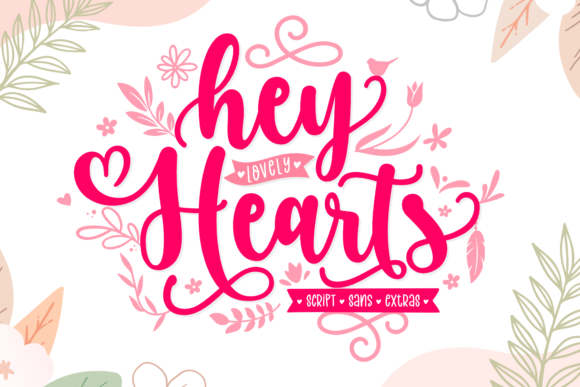
At its core, Hey Lovely Hearts is a carefully paired set of typefaces designed to work in harmony. The sans serif component offers legibility and a modern, uncluttered aesthetic, making it ideal for body text, headings that require emphasis without distraction, and any context where information must be delivered cleanly. Its counterpart, the handwritten style, introduces a human, organic touch. This script font is perfect for accents, quotes, logos, and call-to-action elements where a sense of approachability, romance, or artisanal quality is desired.
The true power of this duo lies in its integrated use. Rather than sourcing two separate fonts and hoping they complement each other, designers receive a pre-vetted, stylistically cohesive pair. This eliminates a common bottleneck in the design workflow: font pairing. For a small business owner creating marketing materials, this means less time deliberating over typography and more time executing the campaign. The font duo arrives ready to create a visual hierarchy that feels intentional and polished.
Practical Integration Across Project Phases
Integrating Hey Lovely Hearts into a workflow is most effective when considered from the planning stage. During the initial brainstorming for a brand identity, a mood board, or a content plan, defining the role of each font style prevents inconsistency later. Ask: Where will the formal clarity of the sans serif be most needed? Where will the friendly charm of the handwritten script have the greatest impact? This upfront planning ensures the fonts serve the project's goals rather than being applied as an afterthought.
During the execution phase, the font files are installed and utilized across standard design and office software. Compatibility is key; these fonts are typically provided in formats like .OTF or .TTF, which are standard across major platforms including Adobe Creative Suite, Canva, Microsoft Office, and various web builders. For a blogger, this means using the sans serif for post titles and body copy for readability, while employing the handwritten font for section headers or a stylized blog signature to inject personality. The process is one of direct application once the initial creative direction is set.
Workflow Examples and Tool Synergy
Consider the workflow of an entrepreneur developing a product launch. The sans serif face can be used for all detailed information on the website and packaging: product descriptions, specifications, and terms. This ensures critical information is accessible and professional. Meanwhile, the handwritten font can be applied to the product name on labels, social media graphics announcing the launch, and thank-you cards included with orders. This creates a consistent, warm brand voice that connects with customers on a personal level without sacrificing clarity.
In an educational context, a teacher creating classroom materials might use the sans serif for worksheets and instructional text to maintain focus. The handwritten style could then be used for motivational quotes on posters, student name tags, or certificates of achievement, making learning materials more engaging and supportive. The fonts interact with other tools seamlessly; they function within the same document layers as images, colors, and other design elements, allowing for a unified creative process.
Long-Term Use and Organizational Benefits
Adopting a font system like Hey Lovely Hearts contributes to long-term efficiency and brand consistency. Once integrated into a style guide, it becomes a reference point for all future projects, whether undertaken by the individual or a team. This is particularly valuable for freelancers and small business owners who must maintain a coherent brand identity across websites, social media, invoices, and presentations. The font duo becomes a reusable asset, saving cumulative hours of design time and ensuring that every piece of communication feels authentically "on brand."
From a quality control perspective, the pre-designed harmony of the two styles reduces the risk of typographic dissonance—a common issue when pairing fonts from different families. The designer can focus on layout, spacing, and color, confident that the typography foundation is sound. For those managing multiple projects, creating templates within their preferred software that already incorporate Hey Lovely Hearts can further accelerate the start-up time for new tasks, whether it's a newsletter, an infographic, or a client proposal.
Observations on Flexibility and Creative Outcomes
The descriptor "all round and flexible" accurately captures the utility of this font package. Its strength is not in being a single, perfect solution for every conceivable project, but in providing a robust and adaptable starting point for a wide range of creative and professional needs. It excels in projects that aim to be both credible and relatable: boutique brands, lifestyle blogs, wedding invitations, educational content, and community-focused marketing.
The "warm, romantic and jolly" character is a strategic asset. In a digital landscape often dominated by cold, geometric sans serifs, the handwritten element of Hey Lovely Hearts offers differentiation. It can soften a corporate message, add joy to a celebration, or lend authenticity to a craft-based business. However, its implementation requires judgment. Overusing the script font in dense text blocks can harm readability; its best use is as a strategic accent. The sans serif companion ensures that the overall design remains grounded and functional.
Ultimately, integrating a tool like Hey Lovely Hearts is about enhancing your creative and professional workflow with a reliable, expressive asset. It reduces decision fatigue, promotes visual cohesion, and helps translate abstract ideas into tangible, artful communications. By planning its use, applying it consistently across compatible platforms, and leveraging its dual nature to create visual interest, creators and professionals can effectively turn their project ideas into polished, engaging works of art. The font becomes more than a set of characters; it becomes a component of a smoother, more efficient, and more personally resonant creative process.