Charlene: A Strategic Tool for High-Impact Visual Communication
Understanding the Role of a Specialized Display Font
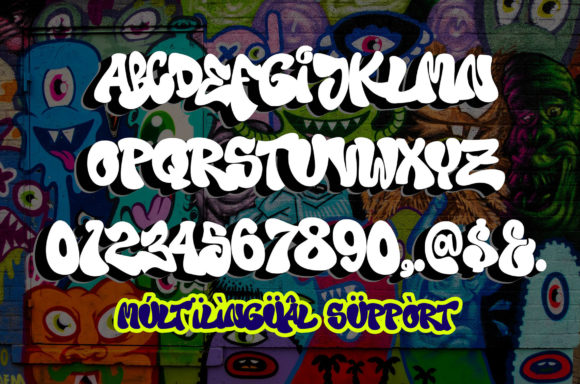
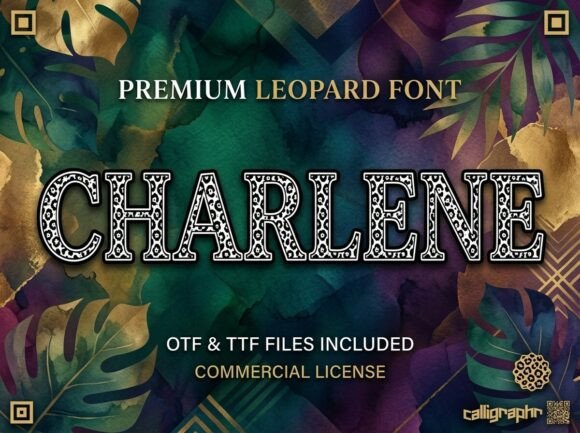
In the crowded landscape of digital and print communication, the choice of typography is a fundamental strategic decision, not merely an aesthetic one. Charlene is a decorative display font engineered specifically for high-visibility applications. Its core identity is defined by its all-caps, uppercase-only structure, where each letterform is crafted as a distinct artistic element. This design philosophy makes it a specialized tool rather than a general-purpose typeface. Its primary function is to command attention in contexts where brevity and visual impact are paramount, such as headlines, logos, and packaging. Understanding its inherent constraints—namely, the absence of lowercase letters—is the first step in deploying it effectively.
The strategic value of a font like Charlene lies in its ability to convey a specific brand personality instantly. For entrepreneurs, marketers, and creators, this font can serve as a visual shorthand for boldness, creativity, and a break from conventional design. When used with intention, it supports goals related to brand positioning and audience perception. It is not a tool for body text or lengthy paragraphs; its strength is in creating focal points that guide the viewer's eye and reinforce a message of distinctiveness. Before integrating Charlene into a project, one must consider whether the project's core message aligns with the font's assertive and artistic character.
Aligning Charlene with Strategic Objectives
Deploying Charlene successfully requires moving beyond a simple "it looks good" rationale. It should be a conscious choice tied to a specific communication goal. For a small business owner developing product packaging, Charlene could be used to set the brand name apart on a shelf, creating an immediate impression of quality and artistry. For a blogger or publisher designing a featured image or a book cover, it can establish a tone of sophistication and creative authority. The font's strong visual personality makes it suitable for projects aiming to stand out in a saturated market, but this same personality can clash with brands that require a more understated or traditional voice.
Practical application involves careful planning. Consider the following use cases:
- Logo and Wordmark Design: Charlene can form the basis of a distinctive logo, particularly for creative studios, boutique agencies, or artisanal brands. Its all-caps nature ensures the mark feels stable and authoritative.
- Event Branding and Signage: For conferences, workshops, or promotional events, using Charlene for titles and key headings can create a cohesive and memorable visual theme that feels professional and polished.
- Social Media Graphics and Advertising: In fast-scrolling environments, a bold headline set in Charlene can stop the scroll, effectively communicating a campaign's central idea in a glance.
The key is to use Charlene as a strategic accent, not the foundational text layer of a design. It should highlight critical information, not present all of it. Pairing it with a clean, neutral sans-serif or serif font for body copy creates a necessary contrast, ensuring readability while allowing Charlene to fulfill its role as the center of attention.
Practical Considerations and Risk Mitigation
Every powerful tool carries inherent risks if used without proper context. The primary risk with Charlene is overuse or misapplication. Because it is an all-caps display typeface, setting more than a few words in it can severely hamper readability and overwhelm the viewer. A headline like "TRANSFORM YOUR BRAND" works; a full sentence in all-caps becomes a visual barrier. This makes it unsuitable for educational materials, detailed instructions, or any content where nuanced reading is required.
Another consideration is compatibility. While the font files provided (OTF and TTF) ensure broad technical compatibility, stylistic compatibility is another matter. Charlene's unique artistic elements may not harmonize with every brand's existing visual language. A freelancer or marketer should conduct a brief audit: Does this font's personality complement our color palette, imagery, and overall brand voice? Using it in a context that feels incongruent can create dissonance for the audience, undermining trust rather than building it.
Integrating Charlene into a Cohesive Workflow
For professionals seeking to leverage Charlene, a methodical approach yields the best results. Begin by defining the specific touchpoint where it will be used. Is it for the main logo, a sub-brand, or a single campaign? Scope its application clearly to avoid design inconsistency. Next, test its performance across required formats. Does it render clearly at both large and small sizes? This is critical for applications ranging from a storefront sign to a mobile app icon.
When planning a project that incorporates Charlene, consider the entire user journey. A customer might first encounter the font on a social media ad, then on a website header, and finally on packaging. Each touchpoint should use the font consistently to reinforce brand recognition. This consistency is a core tenet of effective brand operations and contributes to a seamless customer experience. The font's provided file formats (OTF for advanced design software and TTF for universal use) facilitate this consistency across different design and production environments, from a designer's Adobe Illustrator to a printer's workflow.
Long-Term Value and Intentional Adoption
Adopting a distinctive font like Charlene is a long-term branding decision. Its value is not in a single use but in its consistent application to build a recognizable visual identity over time. For educators or creators developing a personal brand, it can become a signature element that audiences come to associate with their content. This requires commitment; switching display fonts frequently can dilute brand equity and confuse the audience.
Ultimately, Charlene is a tool for intentional differentiation. It is most powerful when used by those who have a clear understanding of their audience and a strategic goal to communicate boldness, creativity, and precision. It is less about following a design trend and more about making a deliberate choice to stand out through thoughtful typography. By respecting its design as an all-caps, high-impact face and deploying it with clear purpose, entrepreneurs, designers, and marketers can harness its unique character to achieve more memorable and effective visual communication, turning a simple choice of font into a component of a broader strategic outcome.