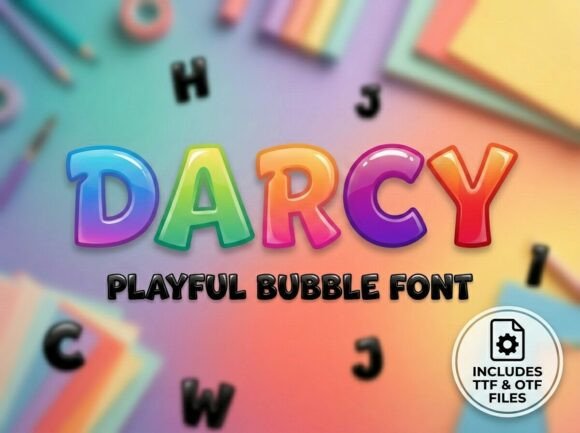
Bubble Font: Crafting Joyful and Adorable Designs
In the world of digital design, typography is not just about readability; it is about emotion. When you want to convey happiness, innocence, or a sense of fun, the right typeface can do the heavy lifting for you. This is where Bubble enters the conversation. It is a font specifically designed to bring a playful touch to your projects, characterized by its adorable, rounded letters that seem to smile at the viewer.
If you are looking for a way to soften your brand’s image or add a lighthearted vibe to a creative project, understanding how to use Bubble effectively is essential. It moves beyond standard text to become a visual element in its own right, creating a cute and cheerful atmosphere that appeals to a wide range of audiences.
Understanding the Aesthetic Appeal
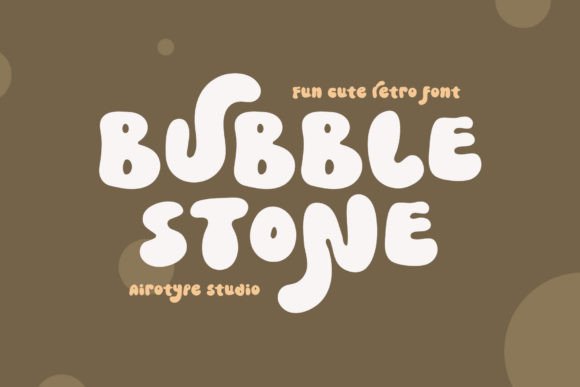
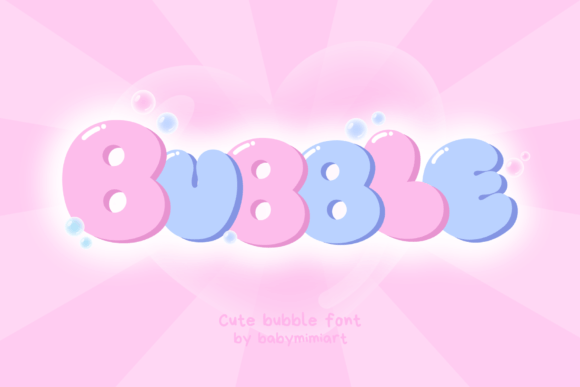
At its core, Bubble is defined by its geometry. Unlike sharp, serifs or rigid sans-serifs, this font relies on soft curves and inflated letterforms. It mimics the look of balloons or rounded 3D shapes, which naturally triggers associations with childhood, play, and friendliness. The design avoids harsh angles, making it feel approachable and non-threatening.
This aesthetic is incredibly valuable in specific contexts. For instance, if you are working on a project that targets children or families, the visual language needs to be welcoming. Bubble achieves this instantly. It does not require the reader to "work" to understand the mood; the mood is inherent in the shape of the letters. It adds a lighthearted and joyful feel that can make a design feel more human and less corporate.
Practical Applications for Creators and Businesses
The versatility of Bubble allows it to fit into a variety of projects. However, it is important to apply it where its strengths can shine without compromising legibility. Here are some practical ways to incorporate this charming font into your work:
- Children’s Education and Publishing: This is perhaps the most natural fit. For children’s books, educational worksheets, or classroom posters, Bubble offers excellent readability for young eyes while maintaining a fun atmosphere. It turns learning material into something that feels like a game.
- Branding and Logos: Small business owners in the lifestyle, bakery, or toy industries often struggle to find a font that feels "homemade" yet professional. Bubble can serve as a perfect logo font for brands that want to emphasize friendliness and approachability.
- Greeting Cards and Stationery: Whether it is a birthday invitation or a thank-you note, the font adds a personal, tactile feel. It mimics the bubbly handwriting style many people love but with the consistency required for print.
- Digital Content and Social Media: For bloggers and marketers, standing out in a crowded feed is difficult. Using Bubble for headers or call-outs on Instagram stories or YouTube thumbnails can catch the eye and convey a relaxed, casual vibe.
Why Beginners and Freelancers Love This Style
For those just starting in graphic design, choosing typography can be daunting. Many professional fonts are complex and require careful kerning and tracking adjustments. Bubble, however, is often more forgiving. Its bold, rounded nature means it holds its shape well even at smaller sizes or when overlaid on busy backgrounds.
Freelancers working with clients who need "cute" or "fun" designs will find this font to be a reliable tool in their kit. It solves a common problem: how to make a design look polished without looking sterile. By utilizing Bubble, a designer can quickly elevate a simple layout into something that feels custom and thoughtful. It bridges the gap between amateur doodles and professional design, offering a middle ground that is both charming and high-quality.
Integrating Bubble into Modern Design Trends
Current design trends often lean towards authenticity and nostalgia. The "retro" and "Y2K" aesthetics, which are currently popular among Gen Z and Millennials, heavily feature rounded, bubbly typefaces. By using Bubble, you tap into this cultural zeitgeist. It resonates with audiences looking for something that feels optimistic and nostalgic.
Furthermore, in the realm of user interface (UI) design for mobile apps, there is a growing movement towards "soft UI" or neumorphism. Bubble fits perfectly within this paradigm. Its rounded edges complement soft shadows and light color palettes, helping to create a digital environment that feels comfortable and easy to navigate.
Key Considerations Before You Start
While Bubble is a delightful font, it is not a one-size-fits-all solution. To use it effectively, you must consider the context of your message. Here are a few important factors to keep in mind:
- Readability in Long Text: Because Bubble has a very distinct personality, it can be tiring to read in long paragraphs. It is best used for headlines, subheadings, or short bursts of text. For body copy, pair it with a clean, simple sans-serif font to maintain readability.
- Professional Context: While it is great for creative industries, it may not be suitable for formal business reports, legal documents, or serious financial communications. The playful nature of Bubble could undermine the seriousness of the content in those specific contexts.
- Color Pairing: This font looks best when paired with bright, pastel, or warm colors. Dark, muted, or grayscale palettes might clash with its energetic personality. Think about how the color reinforces the "bubbly" nature of the text.
- Spacing: Rounded fonts often require a bit more letter-spacing (tracking) than rectangular fonts to prevent the characters from crashing into one another. Be sure to check your spacing to ensure the text looks airy and open.
Adding Charm to Your Projects
Ultimately, the goal of using a font like Bubble is to create an emotional connection. It is a tool for joy. Whether you are a small business owner trying to welcome new customers, a teacher creating a fun learning environment, or a hobbyist making party invitations, this font offers a simple way to inject personality into your work.
It reminds us that design does not always have to be serious or severe. Sometimes, the most effective communication comes from a place of lightness. By embracing the rounded, friendly nature of Bubble, you can transform standard projects into memorable experiences that leave your audience feeling happy and engaged.