Slinter: The Handwritten Brush Font for Modern Creatives
There’s a certain energy that comes with a handwritten font. It feels personal, immediate, and human. Slinter captures this feeling perfectly, offering a cool, brush-style script that’s less about formal calligraphy and more about a relaxed, contemporary vibe. It’s the kind of typeface that doesn’t just sit on a page; it communicates a mood. For designers, marketers, and creators, adding a font like Slinter to your toolkit is like adding a versatile new color to your palette—it opens up fresh ways to connect with your audience.
Understanding Slinter's Unique Character
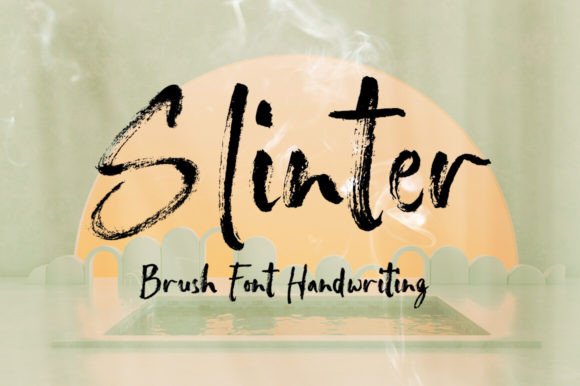
What sets Slinter apart is its balance. It has the organic, slightly textured quality of being drawn with a brush pen, but it maintains a legibility that’s crucial for practical use. The letterforms flow with a natural inconsistency, avoiding the sterile perfection of digital fonts. This inherent "imperfection" is its strength. It feels authentic and approachable, making it ideal for projects where you want to establish a friendly, creative, or artisanal tone. Whether you’re designing a logo, a social media graphic, or packaging, Slinter adds that touch of trendiness without sacrificing clarity.
Practical Applications for Designers and Brands
Let’s move beyond appreciation and into application. How can you actually use Slinter to elevate your work? The key is to treat it as an accent font—a powerful tool for emphasis and personality, not necessarily for body copy. Here are some grounded ways to implement it:
- Logo and Brand Identity: Use Slinter for a brand’s logotype or tagline, especially for businesses in the lifestyle, wellness, food, or boutique retail space. It suggests a hands-on, personal touch. Pair it with a clean, sans-serif font for company information to maintain professionalism.
- Social Media Graphics: Instagram stories, quote graphics, and promotional posts thrive on personality. Slinter can make a key message or call-to-action stand out. Its handwritten feel stops the scroll because it feels like a note from a friend rather than an ad.
- Website Headers and Calls-to-Action: A website hero section or a button labeled with Slinter can guide a visitor’s eye and inject warmth into the user experience. It’s particularly effective for landing pages, blogs, or portfolios aiming for a creative, personal connection.
- Product Packaging and Labels: For artisanal goods, cosmetics, or coffee packaging, Slinter can convey craftsmanship. It works beautifully for product names or descriptive phrases, suggesting the product was made with care.
Tailoring Slinter to Your Audience
The versatility of Slinter means different professionals can adapt it to meet specific goals. A one-size-fits-all approach won’t yield the best results. Consider your audience and the platform’s context.
For Marketers and Small Business Owners
Your goal is likely conversion and building trust. Use Slinter sparingly to highlight special offers, customer testimonials, or a welcome message on your website. It can make a "Limited Time Offer" feel more urgent and personal. In email marketing, a subject line or header in Slinter can increase open rates by breaking the monotony of standard fonts. The trick is to use it to create a focal point that feels human and direct, which can be more persuasive than a generic, bolded statement.
For Bloggers and Content Creators
Consistency is your brand. Integrate Slinter into your featured images, Pinterest pins, and YouTube thumbnails. It creates a recognizable visual signature. You might use it for your blog’s name on graphics or for chapter titles in a digital workbook. This builds a cohesive aesthetic that your audience will come to associate with your content, making it instantly recognizable in a crowded feed.
For Educators and Freelancers
Creating engaging materials is part of the job. Slinter can transform a standard PDF worksheet, presentation slide, or course module cover into something more inviting. For freelancers, it’s a way to brand your proposals, invoices, or portfolio presentations with a creative flair that demonstrates your design sensibility before a client even sees your work.
Design Principles for Effective Use
Using a display font like Slinter effectively requires a bit of restraint and strategic thinking. Here’s how to ensure your designs remain clear and impactful:
- Contrast is Key: Always pair Slinter with a highly legible, neutral font for longer text. A classic sans-serif like Montserrat or a simple serif like Lora creates a beautiful hierarchy. The contrast ensures the handwritten font shines without overwhelming the viewer or hindering readability.
- Mind the Size and Color: Slinter works best at larger sizes where its brush details can be appreciated. At small sizes, it can become muddy. Be mindful of color contrast as well; a textured font can sometimes reduce legibility on busy backgrounds. Test it thoroughly.
- Use for Emphasis, Not Volume: Reserve Slinter for headlines, subheadings, pull quotes, or single words that need extra personality. Using it for an entire paragraph is rarely a good idea. Think of it as the seasoning in your design, not the main ingredient.
- Consider the Message: Does the tone of your project match the font’s vibe? Slinter is perfect for friendly, creative, and casual communications. It might not be the right choice for a formal corporate report or a legal document, but it could be perfect for a creative agency’s internal newsletter.
Exploring Creative Variations and Styles
While Slinter has a core style, its application can be varied to produce different effects. Experiment with these approaches:
Layering and Effects: Try placing Slinter text over a subtle texture or a muted photograph. Adding a slight shadow or a very soft outer glow can make it pop off the page. You can also experiment with masking the text with a watercolor texture for an even more artistic, painterly result.
Color and Opacity: Don’t stick to black. A deep navy, a warm terracotta, or a forest green can complement its brushy nature beautifully. Playing with the opacity can create a more subtle, watermark-like effect for background elements.
Mixing with Other Elements: Combine Slinter with simple line icons, geometric shapes, or minimalist illustrations. The organic flow of the font contrasts well with clean, modern graphic elements, creating a balanced and sophisticated composition.
Ultimately, Slinter is more than just a trendy typeface. It’s a bridge between digital precision and human expression. By understanding its character and applying it with intention, you can create designs that feel more personal, engaging, and memorable. It’s a valuable asset that encourages practical creativity, helping you communicate not just a message, but a feeling.