Neon City: A Nostalgic Font for Modern Creators
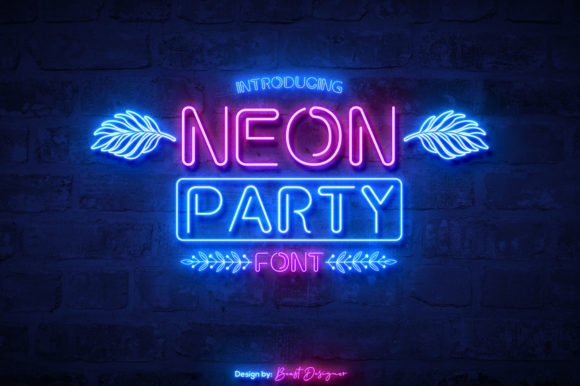
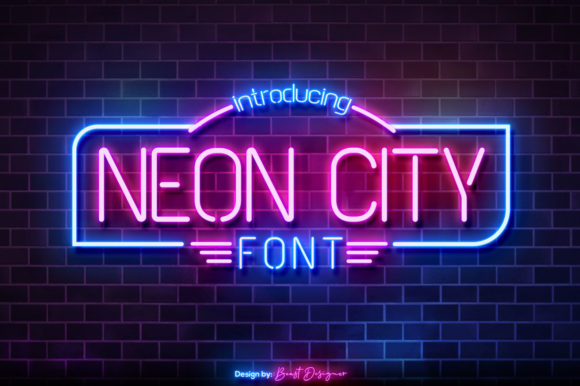
There’s a particular feeling that comes from seeing a familiar shape made new. It’s not about reinventing the wheel, but about polishing it until the original craft shines through with a fresh clarity. This is the spirit behind Neon City. More than just a collection of glyphs, it’s a typeface that carries a mood—a quiet echo of late-night diners, classic arcade cabinets, and the soft glow of hand-painted signs from decades past. It’s a display font designed not to shout, but to resonate.
What makes a font like this interesting isn’t complexity, but restraint. Neon City is a study in minimalism and nostalgia. Its letterforms are clean and legible, avoiding unnecessary flourish. The character lies in the subtle details: the gentle curves, the balanced proportions, and the consistent weight that gives it a sturdy, reliable presence. It doesn’t mimic a specific era; instead, it distills the essence of mid-20th century typography into something versatile and contemporary. For a designer, this means it carries emotional weight without sacrificing function.
Understanding the Core Aesthetic
Before diving into applications, it helps to understand what Neon City is not. It is not a grungy, distressed font meant for gritty projects. It is not a hyper-futuristic typeface for sci-fi interfaces. Its power is in its grounded, approachable nostalgia. Think of it as the typographic equivalent of a well-worn leather jacket or a vintage film grain filter—it adds character and warmth without overwhelming the subject. The minimalistic design ensures it remains highly readable at various sizes, a critical feature for any font intended for practical use.
This balance makes it a powerful tool for creating a specific, consistent tone. The aesthetic is inherently friendly and inviting. It suggests authenticity, craftsmanship, and a touch of retro charm. For projects aiming to connect on a human level—evoking memory, comfort, or a sense of place—this font provides an immediate visual shorthand.
Practical Applications Across Different Fields
The true test of a typeface is how it performs in the wild. Neon City’s adaptable nature allows it to serve a wide range of creators, each with different goals and audiences.
For Branding and Marketing
A small business owner, particularly in hospitality, retail, or artisanal goods, can use Neon City to build a brand identity that feels established and trustworthy. Imagine it for a local coffee roastery’s logo, a boutique bakery’s packaging, or the menu of a neighborhood diner. It communicates quality and care without feeling corporate. For marketers, it’s an excellent choice for headlines in social media graphics or email newsletters where you need to capture attention with a warm, personal tone rather than aggressive urgency.
For Digital Content and Publishing
Bloggers and online creators can leverage this font to set their visual tone. It works beautifully for a blog title or section headings in articles about travel, lifestyle, food, or design. Its readability ensures it functions well on screen, while its personality helps a blog stand out from the sea of generic sans-serifs. An educator creating presentation slides or course materials could use it for titles to make content feel more engaging and less sterile, particularly in subjects like history, arts, or social sciences.
For Graphic Design and Personal Projects
Freelance designers will find Neon City a valuable addition to their toolkit for client projects that require a touch of heritage or warmth. It’s perfect for event posters, album covers for indie or folk musicians, or the titling of a short film. For hobbyists, it’s a fantastic resource for creating custom merchandise like t-shirts, mugs, or stickers through print-on-demand services. Its clean lines ensure it reproduces crisply, whether printed on fabric or etched onto a surface.
Creative Approaches and Stylistic Pairings
Using a display font effectively often involves pairing it with a complementary typeface for body text. Neon City pairs exceptionally well with simple, neutral sans-serifs like Open Sans, Lato, or a classic serif like Merriweather. This creates a clear visual hierarchy: the display font captures the mood for headlines, while the body font ensures effortless reading.
Color dramatically influences its final effect. Used with a muted, earthy palette—olive greens, mustard yellows, or warm grays—it emphasizes its vintage, grounded quality. Paired with a single, vibrant accent color like electric blue or coral against a dark background, it can evoke a more modern, neon-sign aesthetic without becoming garish. This versatility is key to its utility.
Consider the context of your project’s format. For a printed brochure, the font’s weight and spacing will give it a tangible, crafted feel. On a website, it can be used for hero section titles or call-to-action buttons where a touch of personality is needed. In a video, it can be animated subtly—perhaps with a soft fade-in or a slight scale effect—to draw the eye without distracting from the content.
Keeping Your Design Effective and Organized
A nostalgic font like Neon City is a tool for emphasis, not for every piece of text. Overusing it can dilute its impact and harm readability. The principle is simple: use it where you want to make a statement. This is typically in headlines, titles, logos, pull quotes, or short, impactful phrases. For longer paragraphs, informational text, or detailed instructions, always revert to a highly legible text font.
Consistency is also crucial. Decide on a specific use case for the font within a project and stick to it. For example, use it only for the main title and subheadings in a document, or only for the logo and primary navigation in a website header. This disciplined approach ensures the design feels cohesive and professional. The goal is to let the font’s character enhance your message, not to let it become the entire message itself.
Ultimately, Neon City offers a bridge between past and present. It provides creators with a way to inject their work with a sense of history and human touch, all while maintaining the clean, functional standards required by modern design. It’s a reminder that sometimes the most powerful creative choice is not the loudest, but the most thoughtfully crafted. By understanding its aesthetic and applying it with intention, you can elevate your projects from simply being seen to being genuinely felt.